
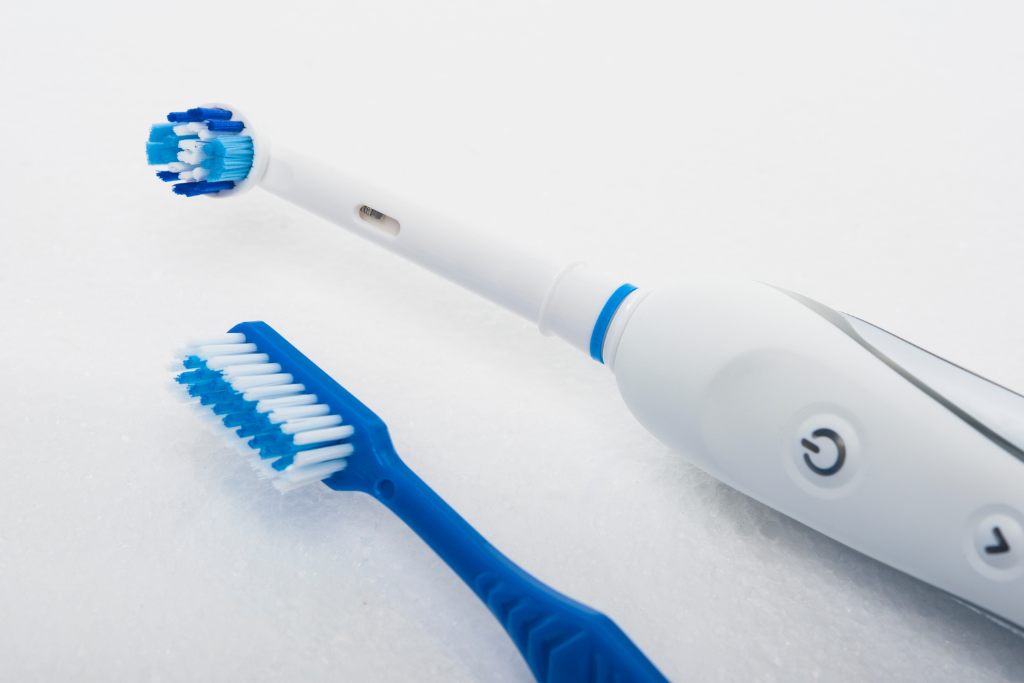
Walk into any pharmacy and the toothbrush aisle can feel surprisingly overwhelming. Between sonic, oscillating, battery-powered and traditional manual options, choosing the right toothbrush can take more thought than expected.
The debate over electric vs. manual toothbrushes has been ongoing for decades, but dental research provides useful guidance. While both types can support good oral hygiene, evidence suggests that powered toothbrushes generally have an advantage when it comes to plaque removal and gum health.
At Manassas Dental Smiles, we regularly hear questions from patients about which toothbrush they should use. In this guide, we examine the evidence, compare the benefits of electric and manual toothbrushes, and explain what to consider when choosing the best toothbrush for your dental health.
The Short Answer
Research consistently indicates that electric toothbrushes are more effective than manual toothbrushes at reducing plaque and gingivitis. However, that does not mean a manual toothbrush is ineffective.
A high-quality, soft-bristled manual toothbrush, combined with proper technique and consistent brushing, can still provide excellent oral hygiene.
Ultimately, the best toothbrush is the one you can use correctly and consistently every day.
What Does the Research Say?
Research comparing powered and manual toothbrushes has found meaningful differences in plaque removal and gum health.
A major Cochrane Review that analysed 56 studies involving more than 5,000 participants found that powered toothbrushes reduced plaque by approximately 21% and gingivitis by around 11% more than manual toothbrushes after three months of use. Although results varied between powered toothbrush types, oscillating-rotating brushes demonstrated particularly consistent benefits.
Other long-term research has also associated electric toothbrush use with healthier gums and improved oral health outcomes.
However, it is important to put these findings into perspective. Manual toothbrushes remain an effective and well-established dental hygiene tool. The advantage of an electric toothbrush is not necessarily that manual brushing is ineffective. Instead, powered brushes can make it easier to maintain consistent brushing time, pressure and technique.
Where Electric Toothbrushes Have the Advantage
Built-In Timers Encourage Better Brushing Habits
One of the most useful features of many electric toothbrushes is the built-in timer.
Most models provide a two-minute brushing timer, while some also use pulses or alerts every 30 seconds to remind you to move to another section of your mouth.
Many people spend considerably less than two minutes brushing when using a manual toothbrush. A built-in timer removes the guesswork and encourages you to brush for the recommended amount of time.
Pressure Sensors Help Prevent Overbrushing
Brushing harder does not necessarily mean brushing better.
Excessive pressure can irritate gum tissue and contribute to enamel wear over time. Many electric toothbrushes now include pressure sensors that alert you when you are pressing too firmly.
Because the powered brush performs much of the cleaning movement for you, there is less need for vigorous scrubbing.
They Can Be Easier to Use
Electric toothbrushes can be particularly helpful for people who have difficulty with fine motor movements.
Older adults, individuals with arthritis and children who are still developing their brushing skills may find it easier to guide an electric toothbrush slowly around the mouth rather than manually performing repeated brushing motions.
They Can Help Around Braces and Dental Restorations
Maintaining oral hygiene can become more challenging when you have orthodontic appliances, crowns, bridges or other dental work.
An electric toothbrush may make it easier to clean around brackets, wires and other hard-to-reach areas. However, specialised orthodontic brushes, interdental brushes and other cleaning tools may still be necessary.
Where Manual Toothbrushes Still Hold Their Own
They Are Affordable and Accessible
One of the biggest advantages of a manual toothbrush is its affordability.
A quality manual toothbrush is inexpensive, widely available and easy to replace. For families managing multiple toothbrushes or people who travel frequently, this simplicity can be a significant benefit.
When used correctly, a soft-bristled manual toothbrush can provide excellent cleaning without requiring an expensive device.
No Charging or Batteries Are Required
Manual toothbrushes are straightforward. There is no charging dock, battery or electronic component to worry about.
For travellers or anyone who prefers a simple routine, this can make a manual toothbrush particularly convenient.
Proper Technique Makes a Difference
The effectiveness of a manual toothbrush depends heavily on brushing technique.
A commonly recommended approach is to hold the toothbrush at approximately a 45-degree angle towards the gum line and use gentle, controlled movements rather than aggressive scrubbing.
Brushing for two minutes twice a day with fluoride toothpaste, combined with daily cleaning between the teeth, can provide an effective foundation for good oral health.
At Manassas Dental Smiles, we can also review your brushing technique during your regular dental visits and recommend adjustments based on your individual needs.
How to Choose the Right Electric Toothbrush
If you decide that an electric toothbrush is right for you, there are several features worth considering.
Look for:
- An oscillating-rotating brush head: This type has strong research support for plaque removal.
- A two-minute timer: This helps you maintain an adequate brushing duration.
- 30-second interval reminders: These can help you spend enough time on each section of your mouth.
- A pressure sensor: This is particularly useful if you tend to brush aggressively.
- Replaceable brush heads: Replacing the head regularly makes long-term use more practical.
You also do not necessarily need the most expensive model available. A mid-range electric toothbrush from a reputable manufacturer can provide useful features without requiring a premium price.
If you are unsure which model is appropriate for you, ask your dental team for personalised guidance.
How to Choose the Right Manual Toothbrush
If you prefer a manual toothbrush, focus on the basics.
Choose a soft-bristled toothbrush rather than one with medium or hard bristles. Harder bristles do not automatically provide better cleaning and can contribute to irritation or enamel wear when combined with excessive pressure.
A compact brush head can also make it easier to reach the back teeth and other difficult areas.
Replace your toothbrush approximately every three months, or sooner if the bristles become frayed, bent or visibly worn.
Are Electric Toothbrushes Suitable for Children?
Electric toothbrushes can be a useful option for children, particularly when the brush is specifically designed for their age group.
Some children find powered toothbrushes more engaging, which may encourage them to brush more consistently. However, the most important consideration is proper supervision.
Young children often need assistance or supervision to ensure that all areas of the mouth are cleaned thoroughly. Parents and caregivers should continue guiding children until they have developed the coordination and attention needed to brush effectively on their own.
If you are unsure whether an electric or manual toothbrush is appropriate for your child, discuss the options with your dentist during their next appointment.
Brushing Is Only One Part of Good Oral Hygiene
Choosing between an electric and manual toothbrush is important, but brushing is only one part of a complete dental hygiene routine.
A toothbrush cannot effectively clean all the surfaces between your teeth. Daily interdental cleaning is therefore essential for removing plaque and food particles from areas that brushing alone may miss.
Depending on your needs and preferences, this may include:
- Traditional dental floss
- Floss picks
- Interdental brushes
- Water flossers
Your diet also plays an important role in maintaining healthy teeth and gums. Limiting the frequency of sugary foods and drinks can help reduce the risk of tooth decay.
At Manassas Dental Smiles, we can provide personalised advice on brushing, flossing, diet and other preventive care measures based on your oral health.
Electric vs. Manual Toothbrush: Which Should You Choose?
If your priority is maximising plaque removal and supporting gum health, an electric toothbrush is generally the better choice for most adults. Research supports the effectiveness of powered toothbrushes, particularly oscillating-rotating models.
That said, you do not need an electric toothbrush to maintain good oral health.
If you use a soft-bristled manual toothbrush, brush gently for two minutes twice a day, clean between your teeth daily and maintain regular dental check-ups, you are already following many of the most important principles of good oral hygiene.
The most important factor is consistency.
A premium electric toothbrush used occasionally will not outperform a basic manual toothbrush that is used correctly every morning and evening. The right tool is ultimately the one that helps you maintain a reliable routine.
Get Personalised Dental Hygiene Advice in Manassas
Still unsure which toothbrush is right for you?
The team at Manassas Dental Smiles can assess your oral health, review your brushing technique and recommend products and habits that suit your specific needs.
Whether you are looking for advice about electric toothbrush benefits, manual toothbrush techniques, flossing or preventive dental care, professional guidance can help you build a more effective daily routine.
Visit us at 8559 Sudley Road, Manassas, VA 20110, call (571) 350-9292, or visit manassasdentalsmiles.com to schedule an appointment.
FAQs
Is an electric toothbrush worth the cost?
For many people, yes. Research indicates that powered toothbrushes can provide greater plaque removal and improve gingivitis outcomes compared with manual toothbrushes. However, a manual toothbrush can still be highly effective when used correctly and consistently.
Can brushing too hard damage my teeth?
Yes. Applying excessive pressure, particularly with a medium- or hard-bristled toothbrush, can irritate the gums and contribute to enamel wear. A soft-bristled brush and gentle technique can help protect your teeth and gums. Electric toothbrushes with pressure sensors can also help you recognise when you are brushing too firmly.
How often should I replace my toothbrush or electric brush head?
Replace your toothbrush or brush head approximately every three months, or sooner if the bristles become frayed or worn. If you have recently been ill, ask your dentist whether replacing your toothbrush would be appropriate for your situation.
Are electric toothbrushes safe for children?
Yes, provided you choose an age-appropriate model and follow the manufacturer's instructions. Many electric toothbrushes are specifically designed for children with smaller brush heads and gentler settings. Young children should also be supervised while brushing.
How can Manassas Dental Smiles help improve my oral hygiene routine?
Our dental team can review your brushing and flossing habits and provide personalised recommendations based on your oral health needs. We can also help you choose suitable oral hygiene products and identify areas where your daily routine could be improved.
To learn more or schedule an appointment, call (571) 350-9292 or visit manassasdentalsmiles.com.