
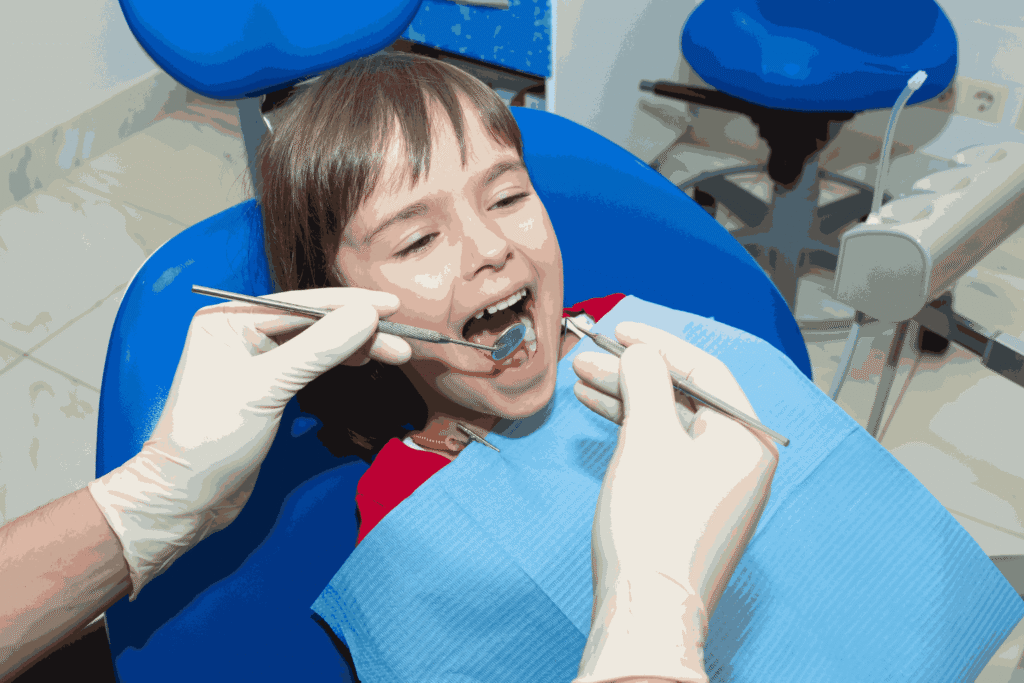
“They’re just baby teeth—they’ll fall out anyway.” It’s one of the most common things we hear from parents at Manassas Dental Smiles.
And while the intention behind it is innocent, this belief leads thousands of children every year toward preventable dental pain, costly treatments, and long-term oral health complications.
The truth? Baby teeth — formally known as primary teeth — are anything but throwaway. They are intricate, purposeful structures that shape the foundation of your child’s smile, speech, nutrition, and self-confidence for life.
Understanding why they matter is the first step toward giving your child the healthy start they deserve.
What Are Baby Teeth, and When Do They Arrive?
Children typically develop 20 primary teeth in total — 10 on the top and 10 on the bottom. The first tooth usually emerges between 6 and 10 months of age, and by the time a child turns 3, most have a full set of primary teeth. These teeth then begin falling out naturally between the ages of 6 and 12 as permanent teeth push through.
However, just because they’re temporary doesn’t mean they deserve temporary care. Every tooth — from the moment it erupts — plays a specific and irreplaceable role during those early years of development.
5 Reasons Baby Teeth Matter More Than You Think
1. They Reserve Space for Permanent Teeth
One of the most critical functions of baby teeth is their role as space holders. Each primary tooth holds a specific position in the jaw, saving room for the permanent tooth that will eventually replace it.
When a baby tooth is lost too early — whether due to decay, trauma, or extraction — neighboring teeth can drift into that empty space.
This drifting is not just cosmetic. It can cause permanent teeth to erupt crooked, overcrowded, or misaligned — often requiring years of orthodontic treatment that could have been avoided with timely early dental care.
2. They Are Essential for Proper Nutrition
Chewing is the first step of digestion, and without a healthy set of teeth, children simply cannot eat properly. Pain from cavities or infections can make children avoid hard foods like apples, carrots, and whole grains — foods that are nutritionally vital during key growth years.
Children with untreated dental pain often develop narrow food preferences that lean heavily toward soft, processed, sugary options — ironically making their dental health worse while simultaneously impacting their physical development.
3. They Are Foundational for Speech Development
Teeth aren’t just for eating — they’re essential tools for forming sounds. Specific teeth, particularly the front incisors, are critical for producing sounds like “th,” “f,” “v,” and “s.” Children who lose these teeth too early may develop speech impediments or articulation issues that require intervention from a speech therapist.
At Manassas Dental Smiles, we’ve seen how early tooth loss — whether from decay or accident — can delay speech milestones in toddlers and young children. With proper preventive care, many of these situations are entirely avoidable.
4. They Influence Jaw and Facial Development
The jawbone grows and develops in direct response to the presence of teeth and the pressure generated by chewing. Baby teeth stimulate the jaw to grow correctly, ensuring that both arches develop the proper width and depth to accommodate the permanent teeth that follow.
When multiple primary teeth are lost prematurely, the jaw may not develop fully, contributing to problems like a crossbite, underbite, or open bite. These structural issues can persist into adulthood if not addressed, and their correction is far more complex — and expensive — than simple preventive care.
5. They Impact Emotional and Social Well-Being
Children are acutely aware of how they look, especially among peers. Visible dental problems — missing teeth, dark cavities, or discoloration — can deeply affect a child’s self-esteem during some of the most socially formative years of their life.
Beyond aesthetics, the chronic pain of untreated tooth decay affects sleep, concentration, and school performance. Studies consistently show that children with poor oral health miss more school days and perform at lower academic levels than their peers with healthy smiles.
Early Childhood Cavities: A Bigger Problem Than You Realize
Early Childhood Caries (ECC) — commonly known as baby bottle tooth decay — is one of the most prevalent chronic diseases in children under age 5. According to the Centers for Disease Control and Prevention, more than 1 in 5 children between ages 2 and 5 have untreated cavities in their primary teeth.
ECC often begins with innocent habits: putting a baby to bed with a bottle of milk or juice, prolonged pacifier use dipped in honey or sugar, or allowing toddlers to sip on sweetened beverages throughout the day.
The natural sugars in these liquids pool around teeth and provide a constant feast for cavity-causing bacteria. The danger is compounded by the fact that baby tooth enamel is thinner and more porous than permanent tooth enamel, making it significantly more vulnerable to decay. A cavity that might take years to develop in an adult can progress in a matter of months in a young child.
How to Care for Baby Teeth: A Parent’s Guide
Good oral hygiene starts before the first tooth even appears. Here’s a practical roadmap:
Before teeth erupt: Wipe your baby’s gums with a clean, damp cloth or a silicone finger brush after every feeding. This reduces bacteria and gets your child used to mouth cleaning early.
- When the first tooth appears: Begin brushing twice daily with a soft-bristled infant toothbrush. Use a rice-grain-sized smear of fluoride toothpaste from eruption until age 3, then a pea-sized amount from ages 3 to 6.
- Avoid bedtime bottles: Never put your baby to bed with a bottle of milk, formula, or juice. If they need comfort, opt for water.
- Limit sugary drinks: Replace juice and soda with water and milk. If juice is given, limit it to 4 oz per day for children under 6.
- Start flossing early: As soon as your child has two teeth that touch, it’s time to start flossing. Flossing removes food and bacteria from areas a toothbrush simply can’t reach.
- Lead by example: Let your child see you brush and floss every day. Children who observe good oral hygiene habits at home are far more likely to adopt them independently.
When Should My Child First See a Dentist?
The American Academy of Pediatric Dentistry (AAPD) and the American Dental Association (ADA) both recommend that children have their first dental visit by their first birthday — or within six months of the first tooth appearing, whichever comes first.
We know that might seem early, but these first visits are gentle, brief, and enormously valuable. At Manassas Dental Smiles, we use a child’s first appointment to:
- Assess the eruption pattern of primary teeth
- Check for early signs of decay or structural concerns
- Apply preventive fluoride treatments if appropriate
- Counsel parents on diet, bottle habits, and home care techniques
- Build a positive association with dental visits from a very young age
That last point is more important than many parents realize. Children who have calm, positive early dental experiences are significantly less likely to develop dental anxiety later in life — a factor that contributes to millions of adults avoiding necessary dental care every year.
Dental Sealants and Fluoride: Extra Protection for Little Teeth
Two of the most effective preventive tools available for children are dental sealants and fluoride treatments — and both are offered right here at Manassas Dental Smiles.
Dental sealants are thin, protective coatings applied to the chewing surfaces of back teeth, where most cavities in children develop. They fill in the deep grooves and pits that are difficult to clean with a toothbrush and can reduce the risk of cavities by up to 80% in molars.
Fluoride treatments strengthen enamel and help reverse the very early stages of tooth decay. Applied as a quick varnish during routine visits, it provides months of protection against cavity-forming acids.
Invest in the Smile They’ll Carry for Life
Baby teeth may be temporary, but the habits, experiences, and outcomes associated with their care are lasting. Every cavity prevented, every early dental visit made, and every brushing routine established during childhood contributes to a lifetime of better oral health.
At Manassas Dental Smiles, our team is passionate about helping families in Manassas, VA and the surrounding communities give their children the strongest possible start. Whether you’re a first-time parent navigating teething questions or you’re ready to book your child’s very first dental visit, we are here to guide you every step of the way.
Ready to schedule your child’s first appointment? Visit us at manassasdentalsmiles.com or call our friendly team today. Because when it comes to your child’s smile, there’s no such thing as starting too early.
Frequently Asked Questions
Do baby teeth really need to be filled if they're going to fall out anyway?
Yes, absolutely. Untreated cavities in baby teeth can spread quickly and cause significant pain, infection, and even abscesses.
If bacteria reach the root of a primary tooth, they can damage the developing permanent tooth beneath it. Treating cavities promptly protects your child from pain and preserves the tooth until it's ready to fall out naturally.
My child is 2 and hasn't had a dental visit yet. Is it too late?
It's never too late to start! While the recommended age for a first visit is 12 months, getting your child in now is still far better than waiting. At Manassas Dental Smiles, we welcome children of all ages and will help you establish a healthy routine going forward, no matter where you're starting from.
Is fluoride toothpaste safe for babies and toddlers?
Yes, when used in the correct amount. The American Academy of Pediatrics now recommends using a rice-grain-sized smear of fluoride toothpaste from the time the first tooth appears.
For children ages 3 to 6, a pea-sized amount is appropriate. The key is using very small quantities and teaching your child to spit rather than swallow.
What should I do if my child loses a baby tooth early due to injury?
Contact your dentist as soon as possible. Unlike permanent teeth, a knocked-out baby tooth should not be re-implanted, as doing so can interfere with the permanent tooth growing beneath it.
However, your dentist may recommend a space maintainer — a small dental device that holds the gap open until the permanent tooth is ready to emerge.
How do I handle teething pain without medications?
For teething discomfort, try chilled (not frozen) teething rings, gently rubbing your baby's gums with a clean finger, or using a chilled, damp washcloth.
Always avoid teething gels that contain benzocaine for children under 2, as they are not considered safe by the FDA. If discomfort seems severe, speak with your pediatrician or pediatric dentist.