
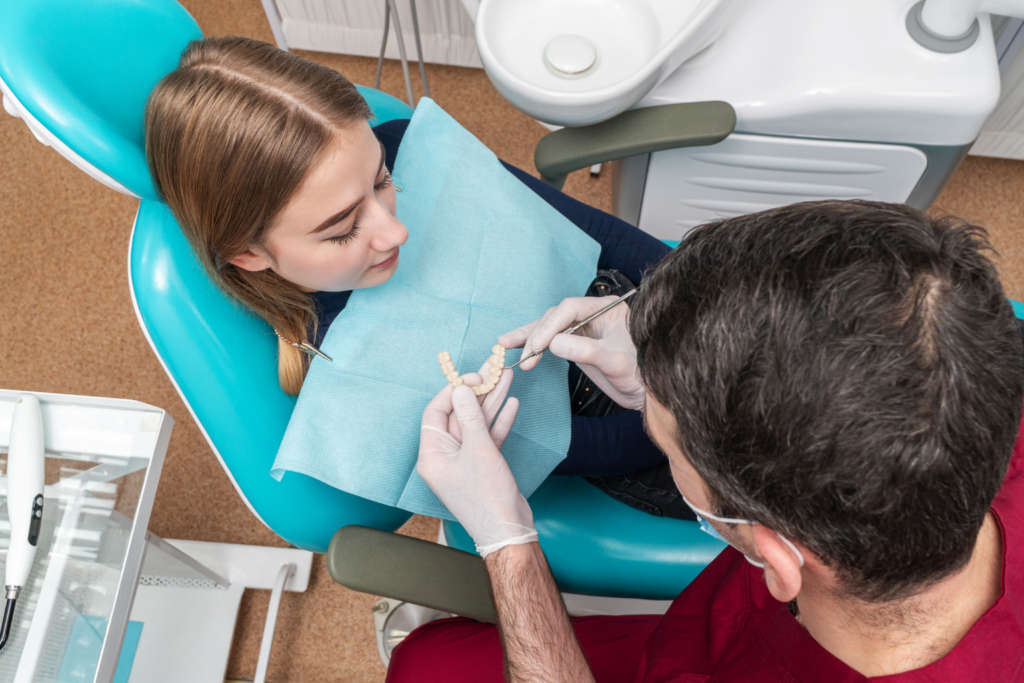
Experiencing issues with your teeth can significantly impact your quality of life, affecting everything from eating and speaking to your self-confidence. Dentures offer a widely recognized and effective solution for replacing missing teeth, restoring both function and aesthetics to your smile.
Recognizing the signs that you might benefit from dentures is the first step toward reclaiming your oral health and overall well-being. A qualified dental professional, like those at Manassas Dental Smiles, can accurately assess your situation and guide you through the best treatment options.
Key Findings
- Missing teeth are a primary indicator that dentures may be necessary, often resulting from trauma, decay, or gum disease.
- Persistent toothaches, especially severe or recurring ones, can signal advanced decay or infection that might necessitate tooth extraction and subsequent denture use.
- Bleeding, swollen, or receding gums are classic symptoms of gum disease, which can lead to bone loss and loose teeth, making dentures a viable solution.
- Difficulty chewing certain foods or experiencing digestive issues can arise from inadequate chewing due to missing or painful teeth, indicating a need for restorative options like dentures.
- Loose or shifting teeth, or widening gaps between them, often point to bone loss caused by gum disease, suggesting that dentures might be required to stabilize your bite.
Details
Background / Context
Dentures are removable prosthetic devices designed to replace missing teeth and surrounding tissues. They are custom-made to fit comfortably in your mouth and can significantly improve chewing ability, speech, and facial appearance.
Dentists typically recommend dentures when multiple teeth have been lost due to decay, gum disease, or injury, or when remaining teeth are too compromised to be saved.
Understanding the various signs that indicate a need for dentures can help individuals seek timely dental intervention and prevent further oral health complications. The dedicated team at Manassas Dental Smiles offers comprehensive denture services, ensuring patients receive the best care tailored to their needs.
Common Signs You May Need Dentures
Several key indicators suggest that dentures could be a beneficial solution for your dental health:
- Missing Teeth: This is the most evident sign. Whether you’ve lost one tooth or several, gaps in your smile can lead to various problems, including difficulty eating, speech impediments, and shifting of remaining teeth. Dentures fill these spaces, restoring both function and aesthetics.
- Severe or Persistent Toothaches: A toothache can be a symptom of many oral conditions, from decay to gum disease. If these conditions are left untreated, they can lead to severe pain and potentially necessitate tooth extraction. Chronic pain that doesn’t resolve with standard treatments might indicate a need for more extensive intervention, potentially including dentures if multiple teeth are affected.
- Bleeding, Swollen, or Receding Gums: These are classic signs of gum disease (periodontal disease). Untreated gum disease can lead to inflammation, infection, bone loss, and eventually, loose teeth. If the disease has progressed to a point where multiple teeth are compromised, dentures might be the recommended course of action.
- Difficulty Chewing Certain Foods: If you find yourself avoiding hard, crunchy, or chewy foods because of pain or an inability to properly break them down, it’s a strong sign of underlying dental problems. Missing or damaged teeth can make chewing inefficient, impacting digestion and nutrition. Dentures can restore your ability to enjoy a wide variety of foods.
- Loose or Shifting Teeth and Wider Gaps: Teeth that feel loose, have started to shift, or show increasing gaps between them can indicate significant bone loss in the jaw, often due to advanced gum disease. This instability can make eating and speaking difficult and signal that your natural teeth may not be sustainable long-term.
- Chronic Indigestion: While seemingly unrelated, chronic indigestion can sometimes be a consequence of poor chewing. If food isn’t properly broken down in the mouth due to missing or painful teeth, the digestive system has to work harder, leading to indigestion and other gastrointestinal issues. Restoring proper chewing function with dentures can alleviate these problems.
- Frequent Dental Visits for the Same Issues: If you’re constantly visiting your dentist for recurring problems like cavities, infections, or broken teeth, it might be a sign that your teeth are deteriorating beyond simple repair. In such cases, a comprehensive solution like dentures could provide a more stable and long-lasting outcome.
- Sunken Facial Appearance: Missing teeth, especially multiple ones, can lead to the collapse of facial structures, causing a sunken or older appearance. The jawbone can also recede without the stimulation of tooth roots. Dentures provide support to the lips and cheeks, helping to restore a more youthful facial contour.
Causes of Tooth Loss Leading to Denture Needs
Tooth loss, the primary reason for dentures, can stem from various factors:
- Severe Tooth Decay: Untreated cavities can progress, destroying tooth structure and leading to infection that necessitates extraction.
- Advanced Periodontal (Gum) Disease: This bacterial infection damages the soft tissues and bone supporting the teeth, causing them to loosen and eventually fall out.
- Trauma or Injury: Accidents, sports injuries, or falls can result in teeth being knocked out or severely damaged beyond repair.
- Age-Related Wear and Tear: Over time, teeth can wear down, crack, or become brittle, making them more susceptible to loss.
- Certain Medical Conditions: Some systemic diseases and medications can impact oral health, contributing to tooth loss.
Comparison / Options
When considering dentures, it’s important to understand that there are different types, each suited to specific needs:
- Full Dentures: Used when all natural teeth in either the upper or lower jaw (or both) are missing. They rest directly on the gums.
- Partial Dentures: Used when some natural teeth remain. A partial denture fills the gaps created by missing teeth and is attached to your natural teeth with clasps.
- Implant-Supported Dentures: These dentures are anchored to dental implants surgically placed in the jawbone. This provides superior stability, retention, and often a more natural feel compared to traditional dentures. While a more involved procedure, many patients find the benefits of enhanced stability and chewing power worthwhile.
Consulting with a dental professional is crucial to determine which type of denture or other tooth replacement option is most suitable for your individual circumstances. The experts at Manassas Dental Smiles can discuss all available options, including custom-made dentures, to help you achieve a healthy and confident smile.
Practical Takeaway
If you recognize any of the signs discussed, it’s essential to seek professional dental advice promptly. Early intervention can often prevent further complications and provide more treatment options.
- Schedule a Consultation: Contact a reputable dental clinic, such as Manassas Dental Smiles, for a thorough examination and personalized assessment.
- Discuss Your Symptoms: Be open and honest with your dentist about any pain, discomfort, or difficulties you are experiencing.
- Explore All Options: Your dentist will explain the various solutions available, including different types of dentures, dental implants, or other restorative treatments, helping you make an informed decision.
- Prioritize Oral Health: Addressing tooth loss and related issues is vital not only for your oral health but also for your overall well-being, including nutrition and self-esteem.
- Understand the Process: If dentures are recommended, your dental team will guide you through each step, from impressions to fitting and adjustment, ensuring a comfortable and functional outcome.
Practical Takeaway
- If you notice any of the aforementioned signs, schedule an appointment with a dental professional immediately for an accurate diagnosis and treatment plan.
- Do not ignore persistent pain, bleeding gums, or difficulty eating, as these can be indicators of serious underlying issues.
- Discuss all your concerns and lifestyle needs with your dentist to determine the best denture type or alternative treatment for you.
- Regular dental check-ups, even without obvious symptoms, are crucial for maintaining oral health and catching potential problems early. The team at Manassas Dental Smiles is committed to providing comprehensive care to ensure your smile remains healthy and bright.
- Understand that dentures are an investment in your health and quality of life, restoring your ability to eat, speak, and smile confidently.
Frequently Asked Questions
What are the main reasons people need dentures?
People typically need dentures due to significant tooth loss caused by severe tooth decay, advanced gum disease (periodontal disease), or dental trauma and injuries. These conditions can lead to multiple missing or unsalvageable teeth, making dentures an effective replacement option.
Can dentures help with difficulty chewing food?
Can dentures help with difficulty chewing food?
Are there different types of dentures?
Yes, there are several types of dentures. Full dentures replace all teeth in an arch, while partial dentures are used when some natural teeth remain. Additionally, implant-supported dentures offer greater stability by attaching to dental implants surgically placed in the jawbone. Your dentist at Manassas Dental Smiles can help determine the best type for you.
How long does it take to get used to new dentures?
Adjusting to new dentures takes time and patience. Initially, you might experience some discomfort, difficulty speaking, or altered chewing sensations. Most people adapt within a few weeks or months with practice and follow-up adjustments from their dentist.
How often should I see a dentist if I wear dentures?
Even with dentures, regular dental check-ups are crucial. It is generally recommended to visit your dentist at least once a year, or as advised, to ensure your dentures fit correctly, check the health of your gums and remaining natural teeth (if you have partial dentures), and screen for any oral health issues.
What should I do if my dentures feel loose or cause pain?
If your dentures feel loose, shift, or cause pain, it's important to contact your dentist immediately. Ill-fitting dentures can lead to sores, infections, and further oral health problems. Your dentist can make adjustments or recommend a reline or new dentures to ensure a proper and comfortable fit. The team at Manassas Dental Smiles is equipped to address these concerns.