
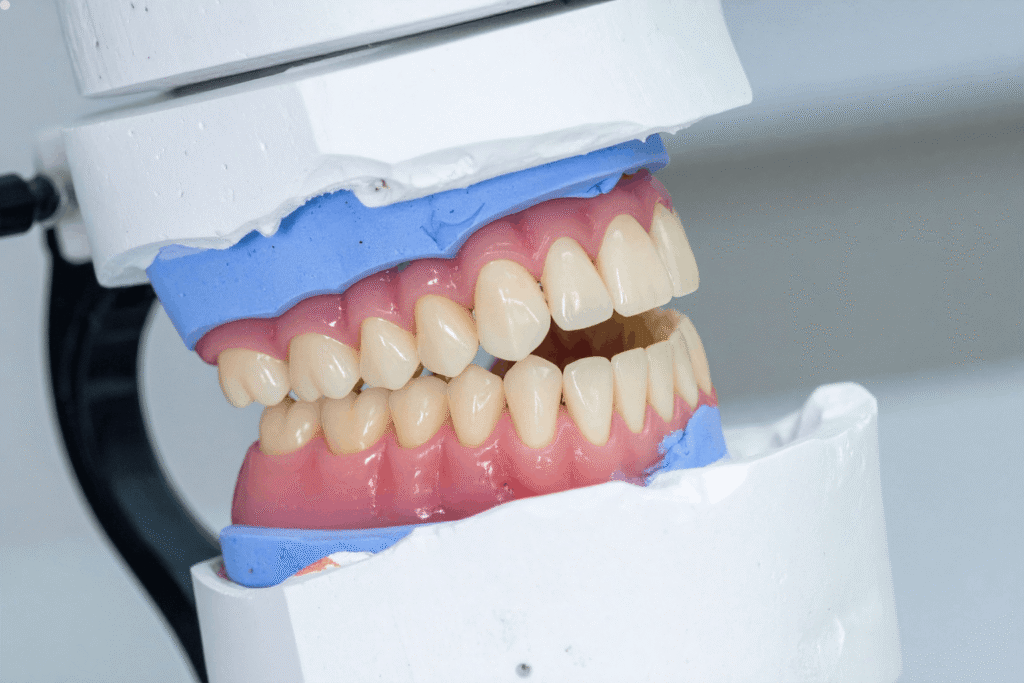
Dentures have given millions of people the freedom to eat, speak, and smile with confidence. But like any investment in your health, they require consistent, proper care to perform at their best.
Whether you are a first-time denture wearer or have been living with dentures for years, the right daily habits can make a significant difference in both the lifespan of your prosthetics and your overall oral health.
At Manassas Dental Smiles, we work with patients every day who come to us with questions about denture care. Our experienced team, including Dr. Malik Usman, Dr. Ehab BenNasir (DDS, MSD), and Dr. Abdul Majeed (DDS), brings years of clinical expertise to help patients not just get dentures but keep them in excellent condition for as long as possible.
In this guide, we share our most trusted, evidence-based denture care tips so that you always get the most out of your smile.
Why Proper Denture Care Matters More Than You Think
Many patients assume that because dentures are not natural teeth, they do not require the same level of care. This is one of the most common misconceptions we encounter at Manassas Dental Smiles. In reality, poorly maintained dentures can lead to a cascade of oral health problems, including bacterial infections, gum disease, and even changes in your jaw structure over time.
High-quality dentures can last anywhere from 5 to 10 years, but only when they are cared for properly. Neglect can significantly shorten their lifespan, leading to costly replacements. Beyond durability, well-maintained dentures protect your gum tissues, preserve the fit and function of your prosthetics, and help you avoid the discomfort of sores, bad breath, and infections.
Tip 1: Clean Your Dentures Every Single Day
Just like natural teeth, dentures accumulate food particles, plaque, and bacteria throughout the day. Daily cleaning is non-negotiable. We recommend the following steps for an effective daily cleaning routine:
- Rinse your dentures after every meal to remove loose food debris before it has the chance to harden.
- Use a soft-bristled denture brush and a non-abrasive denture cleanser, paste, or mild hand soap to gently scrub all surfaces, including the areas that contact your gums.
- Rinse thoroughly under cool or lukewarm running water after brushing.
- Never use regular toothpaste on dentures. Most toothpastes contain abrasive particles designed for tooth enamel that will scratch and damage the denture surface, creating tiny grooves where bacteria can thrive.
- Avoid bleach-based or household cleaning products entirely, as they can weaken the denture material and cause discoloration.
When cleaning, we recommend filling the sink with water or placing a folded towel beneath your hands. Dentures are surprisingly fragile and a short drop onto a hard surface can cause chips or cracks that are difficult and expensive to repair.
Tip 2: Soak Your Dentures Overnight
Dentures are designed to mimic the moist environment of your mouth. When they dry out, the material can become brittle, warp out of shape, and lose its comfortable fit. Overnight soaking is one of the simplest and most effective habits you can build.
We recommend soaking dentures in a dedicated denture-cleaning solution or plain cool water every night. Effervescent denture-cleaning tablets are particularly effective because they dissolve and help eliminate odor-causing bacteria and stubborn food residue.
Always follow the manufacturer’s instructions for soaking times, and remember that hot water is a firm no as it can warp the material permanently.
If your dentures have a soft lining or are a flexible type, such as Valplast dentures, ask our team at Manassas Dental Smiles about the appropriate soaking solution, as some formulations can damage specialized materials.
Tip 3: Remove Your Dentures at Night
This is one of the most important recommendations we make to denture wearers, and one that is most often overlooked. Wearing dentures around the clock puts continuous pressure on your gum tissue and the underlying bone. Your gums need time to recover, breathe, and remain healthy.
Removing your dentures for at least 6 to 8 hours each day significantly reduces the risk of conditions such as denture stomatitis, a fungal infection caused by Candida that thrives under dentures worn too long.
Nighttime removal also allows you to clean both your dentures and your gums, tongue, and palate thoroughly, keeping your entire mouth healthier.
Tip 4: Care for Your Gums and Remaining Oral Tissues
Denture care does not stop at the prosthetic itself. Your gums, tongue, roof of the mouth, and any remaining natural teeth all need daily attention. When you remove your dentures, gently brush your gums and palate with a soft-bristled brush or clean damp cloth to stimulate circulation, remove plaque, and keep soft tissues healthy.
For patients who still have some natural teeth, maintaining excellent oral hygiene around those remaining teeth is critical. Bacteria that accumulate on natural teeth can spread to the gum tissue and compromise the fit and comfort of your partial dentures.
Our team at Manassas Dental Smiles provides personalized guidance on how to balance care for both your natural teeth and your dentures during each visit.
Tip 5: Be Mindful of What You Eat and Drink
Life with dentures does not mean sacrificing the foods you love, but it does mean making some thoughtful adjustments. Certain foods and beverages can affect both the fit and appearance of your dentures over time.
- Staining foods and drinks: Coffee, tea, red wine, and certain berries can stain denture material over time. Rinse your dentures promptly after consuming these.
- Hard or sticky foods: Very hard foods like raw carrots, hard candies, or crusty bread can put excessive pressure on your dentures and potentially dislodge or crack them. Sticky foods like caramel can pull dentures out of position.
- Balanced nutrition: Research consistently shows that a well-balanced diet supports gum health and slows the progression of tissue changes in the jaw. Good nutrition is, in a very real sense, part of your denture care plan.
Our specialists in Manassas are happy to walk you through dietary recommendations that support both your denture longevity and your overall health during your appointment at Manassas Dental Smiles.
Tip 6: Use Denture Adhesives Correctly
Denture adhesives, available as creams, powders, wafers, or strips, can help hold dentures firmly in place and reduce the chance of food getting trapped beneath them. When used properly, they can enhance comfort and confidence, especially during speaking and eating.
However, there is an important distinction to understand: denture adhesives are not a solution for poorly fitting dentures. If you find yourself relying heavily on adhesives just to keep your dentures in place, this is a signal that your dentures need to be professionally assessed.
Changes in your jawbone and gum tissue happen naturally over time, which can alter the fit of your prosthetics. Our team at Manassas Dental Smiles will evaluate the fit and recommend a reline, adjustment, or replacement as needed.
Tip 7: Never Attempt DIY Repairs
We understand that a cracked or broken denture can feel like an emergency, particularly when you depend on it daily. However, attempting to repair a broken denture at home using over-the-counter adhesives or glues almost always makes the problem worse.
Household glues are not designed for use in the mouth and can be toxic. More importantly, improper repairs can alter the fit of the denture, leading to jaw discomfort, sores, and further damage.
If your denture breaks, chips, or feels significantly different, contact Manassas Dental Smiles promptly at (571) 350-9292. We offer fast, reliable care so that you can get back to eating, smiling, and living without the discomfort.
Our team will assess the damage and provide a professional repair or replacement solution that restores full function.
Tip 8: Watch for Changes in Fit and Function
Your body continues to change after you receive dentures. The bone and gum tissue beneath your dentures gradually resorb and shift, which means dentures that fit perfectly at first may feel loose or uncomfortable years later. This is completely normal, but it does require professional attention.
Signs that your dentures may need adjustment include difficulty chewing, clicking sounds when you speak, persistent sore spots or ulcers on your gums, noticeable slipping during conversations, and increased use of denture adhesive.
Do not ignore these signals. Poorly fitting dentures can cause sores, pain, and may even be a sign of underlying periodontal concerns. The sooner you visit our specialists in Manassas, the simpler and less invasive the solution tends to be.
Tip 9: Schedule Regular Professional Checkups
One of the most common misconceptions among denture wearers is that once their natural teeth are gone, regular dental visits are no longer necessary. This could not be further from the truth. Routine checkups are essential for several reasons.
- Annual fit assessments: Dentures should be evaluated at least once a year to ensure they still fit correctly and are not causing unnecessary wear on your gum tissue or underlying bone.
- Oral cancer screening: Removing all natural teeth does not eliminate the risk of oral cancer. Regular exams allow our dentists to examine your soft tissues for any early warning signs.
- Professional cleaning: Some tartar buildup on dentures cannot be removed with brushing alone. Professional ultrasonic cleaning restores your dentures to near-original condition.
- Implant-supported denture maintenance: If you have implant-retained dentures, we recommend checkups every 6 months to assess implant integration, clean below the gumline, and protect your long-term oral health.
At Manassas Dental Smiles, we make it easy to stay on schedule. Our team works around your availability with flexible appointment times, Monday through Friday from 9:00 AM to 5:00 PM, and on alternate Saturdays from 9:00 AM to 1:00 PM.
Types of Dentures We Offer at Manassas Dental Smiles
Understanding the type of denture you have is important because different types may have slightly different care requirements. At Manassas Dental Smiles, we offer a comprehensive range of custom denture solutions:
- Full Dentures: Designed to replace an entire arch of teeth, either upper or lower. They are removable and rest directly on the gum tissue.
- Partial Dentures: Ideal for patients who still have some natural teeth remaining. They fill in the gaps and help prevent remaining teeth from shifting out of position.
- Immediate Dentures: Placed on the same day as tooth extractions to provide a seamless transition while the mouth heals.
- Implant-Supported Dentures: Anchored to dental implants for superior stability, comfort, and jawbone preservation. These are a long-term solution that closely mimics the experience of natural teeth.
Each of these options comes with a personalized care plan from our team. We believe every patient deserves dentures that fit their lifestyle, not just their mouth. Our specialists will help you choose the right option and provide ongoing support throughout your journey.
When Should You Consider Replacing Your Dentures?
Even with perfect care, dentures do not last forever. Most dentures have a functional lifespan of 5 to 10 years. Over time, the materials wear down, and the natural changes in your jaw and gum tissue mean that the original fit becomes less accurate. We recommend considering replacement or a comprehensive evaluation when you notice any of the following:
- Persistent discomfort or pain when wearing dentures, even after adjustments.
- Visible cracks, chips, or significant wear on the teeth or base.
- Noticeably loose fit even with adhesives.
- Changes in your facial appearance, such as a collapsed or sunken look around the lips and cheeks, which can indicate significant bone loss.
- Difficulty speaking clearly or chewing effectively.
If any of these apply to you, our specialists at Manassas Dental Smiles are ready to help you explore your best options, from a professional reline to a fresh set of custom-fitted dentures.
Why Patients in Manassas Trust Us with Their Dentures
At Manassas Dental Smiles, we combine modern dental technology with genuine, compassionate care. We take time to explain everything, answer every question, and ensure each patient walks out feeling confident about their smile and their care plan. Our 3,000-plus satisfied patients are a reflection of our commitment to excellence.
Whether you are searching for a dental clinic in Manassas, VA, looking for experienced denture specialists in Manassas, or exploring bilingual care as a clinica dental option, our team is here to serve you. We treat every patient like family, and that means giving you the knowledge, tools, and support to maintain a healthy, beautiful smile for life.
Visit us at: 8559 Sudley Road, Manassas, VA 20110
Call us at: (571) 350-9292
Website: manassasdentalsmiles.com
Frequently Asked Questions
How often should I clean my dentures?
We recommend cleaning your dentures at least once a day, and rinsing them after every meal. Daily brushing with a soft denture brush removes plaque, food particles, and bacteria that can cause bad breath and infections. Overnight soaking in a denture-cleaning solution adds an additional layer of protection.
Can I sleep with my dentures in?
While it is technically possible to sleep with dentures in, we strongly advise against it. Your gum tissues need 6 to 8 hours of rest from the pressure of dentures each day. Wearing dentures overnight increases the risk of bacterial and fungal infections such as denture stomatitis, and it can accelerate bone loss under the denture. Removing them at night is one of the simplest and most effective things you can do for your long-term oral health.
What should I soak my dentures in overnight?
Cool water or an ADA-approved denture-cleaning solution are both effective options. Effervescent denture tablets dissolved in water are particularly good at eliminating odors and bacteria. Avoid hot or boiling water as it warps the denture material. If you have a specialized denture type, such as a flexible partial or one with a soft lining, ask our team at Manassas Dental Smiles to recommend the right soaking solution for your specific prosthetic.
How long do dentures typically last?
With proper care, most dentures last between 5 and 10 years. However, the fit will likely need professional adjustment or relining before that time due to natural changes in your gum and bone tissue. We recommend an annual denture checkup at Manassas Dental Smiles to monitor fit, detect early wear, and address any issues before they become bigger problems.
Can I use regular toothpaste on my dentures?
No. Regular toothpaste contains abrasive particles designed for tooth enamel and will scratch the surface of your dentures over time. Micro-scratches create tiny grooves where bacteria accumulate, leading to persistent odor and increased infection risk. Always use a non-abrasive denture-specific cleanser or mild liquid soap, and brush with a soft denture brush rather than a standard toothbrush.
What should I do if my dentures feel loose or cause pain?
If your dentures feel loose, shift, or cause pain, it's important to contact your dentist immediately. Ill-fitting dentures can lead to sores, infections, and further oral health problems. Your dentist can make adjustments or recommend a reline or new dentures to ensure a proper and comfortable fit. The team at Manassas Dental Smiles is equipped to address these concerns.
Ready to Give Your Dentures the Care They Deserve?
Your smile is our priority at Manassas Dental Smiles. Whether you are a new denture wearer navigating your first few weeks or a long-time patient looking for a professional assessment, our experienced team is here to help. Book your appointment today and experience dental care that truly puts you first.