
Cavities are one of the most common dental problems in the United States, affecting both children and adults across all age groups. While brushing and flossing are the foundation of a healthy mouth, they do not always reach the deep grooves and pits of the back teeth where decay is most likely to start.
That is where dental sealants come in. At Manassas Dental Smiles, we frequently recommend sealants as a simple, cost-effective step that can protect teeth for years. In this guide, we break down what sealants are, who benefits from them, and whether they are genuinely worth the investment.
What Are Dental Sealants?
Dental sealants are thin, protective coatings made from plastic or other dental materials. They are applied directly to the chewing surfaces of the back teeth, specifically the molars and premolars.
Once applied, a sealant bonds into the grooves and depressions of the tooth, forming a protective shield over the enamel.
The back teeth have an uneven surface with narrow fissures that toothbrush bristles cannot always clean thoroughly. Food particles and bacteria collect in these spaces, producing acids that erode enamel and create cavities over time.
A sealant essentially fills in these vulnerable areas, making the tooth surface smoother and much easier to clean.
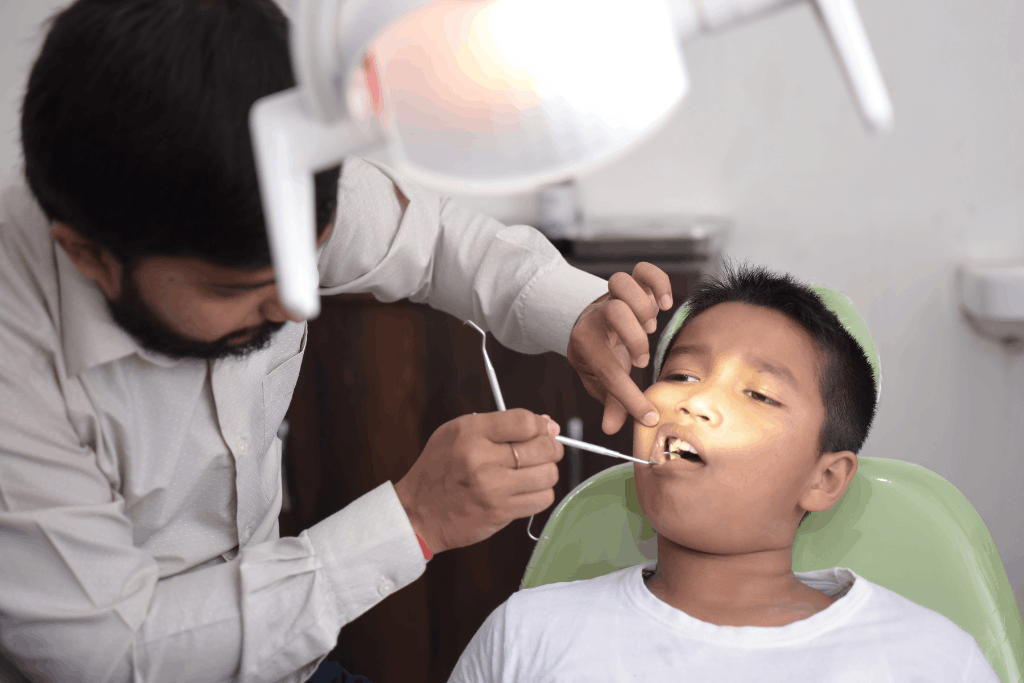
Sealants are tooth-coloured or clear, so they blend naturally into your smile. The application itself is quick, painless, and non-invasive, which makes them particularly well suited for young patients who may be anxious about dental procedures.
|
Did You Know? According to the CDC, dental sealants can prevent up to 80% of cavities in the back teeth during the first two years after application, and continue to protect against 50% of cavities for up to four years. |
How Are Dental Sealants Applied?
The procedure at Manassas Dental Smiles is straightforward and typically takes only a few minutes per tooth. Here is what to expect:
- Cleaning: The tooth is thoroughly cleaned and dried before any material is applied.
- Preparation: A mild acidic gel is briefly applied to the chewing surface to roughen it slightly, allowing the sealant to bond more effectively. The gel is rinsed off and the tooth is dried again.
- Application: The liquid sealant material is painted onto the enamel, flowing naturally into the grooves of the tooth.
- Curing: A special blue curing light hardens the sealant within a few seconds, locking it firmly into place.
- Evaluation: Our dental team checks the bite to ensure the sealant feels comfortable and does not interfere with normal chewing.
The entire process requires no drilling and no anaesthesia. Patients can eat and drink normally within a short time after the appointment.
Who Should Get Dental Sealants?
Children and Teenagers
The most common candidates for dental sealants are children between the ages of six and fourteen.
The first permanent molars appear around age six and the second set around age twelve. Sealing these teeth as soon as they erupt gives them protection during the years when cavity risk is highest.
At Manassas Dental Smiles, our team monitors the development of children’s teeth and recommends sealants at the right stage of eruption. Parents often tell us that protecting those back teeth early is one of the most practical decisions they made for their child’s dental health.
Adults
Sealants are not exclusive to children. Adults who have deep grooves in their back teeth and no existing fillings or decay are excellent candidates too. Many adults have never had cavities in certain teeth, and a sealant can help keep that record intact. If you are prone to decay or have a diet higher in sugars and carbohydrates, sealants offer an additional layer of defence that complements your regular oral hygiene routine.
Patients with Special Considerations
Individuals with physical limitations that make thorough brushing difficult, patients undergoing orthodontic treatment, or those with a documented history of frequent cavities can all benefit significantly from sealants.
We approach each patient individually at Manassas Dental Smiles to determine whether sealants fit their specific oral health profile.
The Clinical Evidence: Do Sealants Actually Work?
The short answer is yes, and the evidence is well established. Dental sealants have been studied extensively and consistently shown to reduce the incidence of pit and fissure caries, which is the technical term for the cavities that form in the grooves of back teeth.
- Studies published in the Journal of the American Dental Association confirm that sealed teeth have significantly lower rates of decay compared to unsealed teeth over a follow-up period of several years.
- The American Dental Association and the American Academy of Pediatric Dentistry both recommend sealants as a key element of a preventive dental care strategy for children.
- Research shows that sealants can last between five and ten years with proper care, and can be reapplied if they show signs of wear.
We stay current with clinical research and best practices so that every recommendation we make at Manassas Dental Smiles is grounded in evidence, not guesswork.
Are Dental Sealants Worth the Cost?
Cost is often the first question patients ask, and it is a completely reasonable one. The investment in sealants is typically modest compared to the cost of treating a fully developed cavity.
A single tooth-coloured composite filling, depending on size and complexity, can cost several times more than a sealant applied to the same tooth before decay develops.
|
Cost Comparison at a Glance Dental sealant per tooth: approximately $30-$60. Composite filling for a small cavity: approximately $150-$300+. Treating advanced decay or a cracked tooth: potentially $500-$1,500+. Prevention is almost always the more affordable option. |
Most dental insurance plans cover sealants for children up to a certain age, recognising their value as a preventive measure. For adults, coverage varies by plan, but many insurers include sealants under preventive benefits.
Our team at Manassas Dental Smiles is happy to review your coverage and provide a clear breakdown before any treatment begins, so there are no surprises.
How Long Do Dental Sealants Last?
With normal chewing and proper oral hygiene, dental sealants can last between five and ten years, and sometimes longer. They can chip or wear down over time, particularly if a patient has a habit of grinding their teeth or chewing very hard foods regularly.
During your routine check-ups at Manassas Dental Smiles, we examine existing sealants for any signs of wear, chipping, or gaps.
If a sealant needs to be touched up or replaced, the process is just as quick and simple as the original application. Keeping sealants in good condition is a routine part of preventive dental care.
Common Myths About Dental Sealants
Myth: Sealants contain BPA and are unsafe
Some sealants do contain trace amounts of bisphenol A (BPA), but the levels are extremely small and well below any known threshold for human harm.
Many dental sealants used today are BPA-free or use materials derived from BPA that do not behave in the same way. We are transparent with our patients about the materials we use, and we are always available to discuss options if you have specific concerns.
Myth: Sealants are only for children
As covered earlier in this guide, adults without decay or existing restorations in their back teeth are strong candidates for sealants. Age is not a barrier. Protection is.
Myth: You can still get cavities under sealants
A properly applied sealant provides effective protection for the covered surface. However, sealants only protect the chewing surfaces where they are applied.
The sides and roots of teeth remain exposed, which is why regular brushing, flossing, and dental check-ups remain essential alongside sealant protection.
Sealants as Part of a Comprehensive Preventive Care Plan
At Manassas Dental Smiles, we believe that the best dental treatment is the kind you never need. Sealants are one tool in a broader preventive strategy that includes professional cleanings, fluoride treatments, personalised dietary guidance, and consistent at-home care.
When these elements work together, the result is a healthier mouth with a significantly lower risk of developing problems that require more complex and costly interventions.
We serve families across Manassas, VA and the surrounding areas with a full range of general and preventive dental services.
Whether you are bringing your child in for their first sealant appointment or exploring your own options as an adult, we approach every visit with the same commitment: to give you clear information and comfortable, high-quality care.
|
Ready to Protect Your Family’s Teeth? Book an appointment at Manassas Dental Smiles today. Call us at (571) 350-9292 or visit manassasdentalsmiles.com. We are located at 8559 Sudley Road, Manassas, VA 20110. |
Final Thoughts
Dental sealants are one of the most evidence-backed, cost-effective tools available in modern preventive dentistry. They work, they last, and they are far less expensive than treating the cavities they help you avoid. Whether you are a parent looking to give your child the best possible start with their permanent teeth, or an adult who wants an extra layer of protection, sealants are worth a conversation with your dentist.
At Manassas Dental Smiles, we are here to make that conversation easy. Our team combines clinical expertise with a genuinely patient-centred approach, so every recommendation we make is tailored to your needs and explained in plain language. We invite you to contact us or book an appointment online at manassasdentalsmiles.com to learn more. Your smile deserves proactive care, and we are committed to providing it.
Frequently Asked Questions
At what age should my child get dental sealants?
We typically recommend sealants when the first permanent molars come in, usually around age six, and again when the second molars appear around age twelve. The sooner the teeth are sealed after they erupt, the greater the protection provided during the highest-risk cavity years.
Do dental sealants hurt?
Not at all. The application process is completely painless and does not require any needles or drilling. Most children and adults find it quick and easy, and the appointment is usually complete within a few minutes per tooth.
Can sealants be applied over existing fillings?
No. Sealants are a preventive measure applied to healthy, decay-free teeth. They are not suitable for teeth that already have fillings or active cavities. We conduct a thorough examination before recommending sealants to confirm that the teeth are a good candidate.
How do I know if my child's sealant is still intact?
During every routine check-up at Manassas Dental Smiles, we inspect existing sealants as part of the standard examination. If a sealant shows signs of wear or chipping, we will let you know and discuss next steps.
Are dental sealants covered by insurance?
Many dental insurance plans cover sealants for children, typically up to age eighteen. Coverage for adults varies by plan. Our administrative team is glad to check your benefits before your appointment so you know exactly what to expect.
Do adults really need sealants if they have not had cavities in years?
Having no cavities for a long time is a great sign, but it does not guarantee future protection, especially if you have deep grooves in your molars.
Sealants are a practical way to maintain that healthy record and reduce risk going forward. We can assess whether sealants make sense for your specific situation during a consultation.