
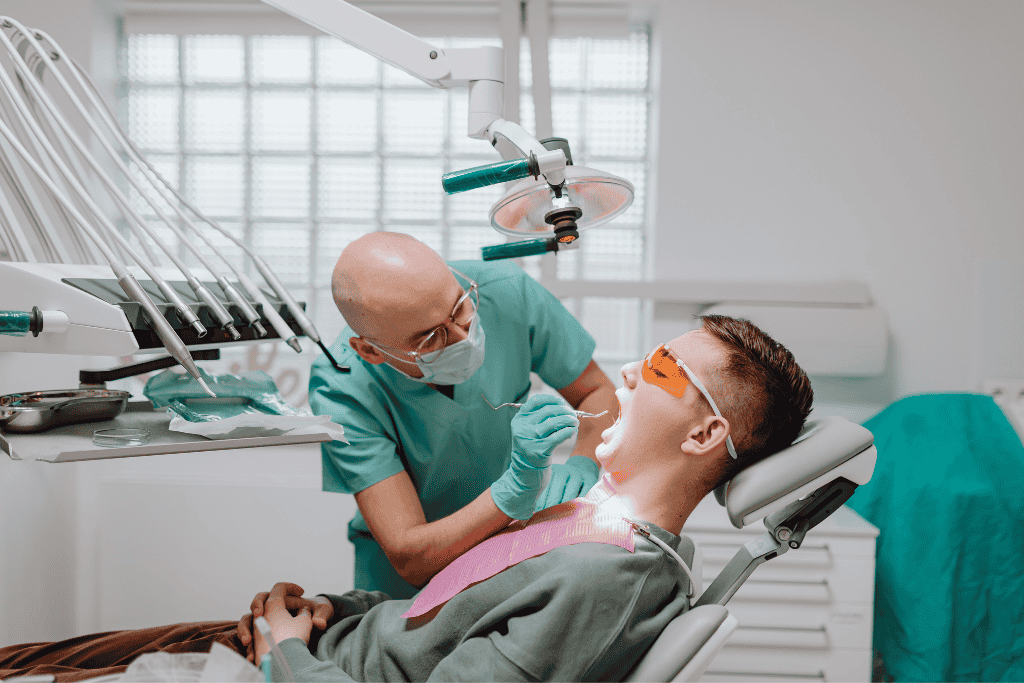
Most people associate a visit to the dentist with cleanings, cavity checks, and the occasional X-ray. But at Manassas Dental Smiles, your routine checkup is also an opportunity for something far more consequential: an oral cancer screening. It takes just a few extra minutes, requires no painful procedures, and could make all the difference in catching a potentially life-threatening condition early.
Oral cancer is more common than many people realise. According to the Oral Cancer Foundation, close to 58,000 Americans are diagnosed with oral or oropharyngeal cancer each year. The five-year survival rate for those diagnosed in the early stages is significantly higher than for those caught at a late stage. Yet, oral cancer often develops without obvious symptoms in its early stages, which is precisely why professional screening matters so much.
What Is Oral Cancer and Why Should You Be Concerned?
Oral cancer refers to cancers that develop in any part of the mouth or throat, including the lips, tongue, cheeks, floor of the mouth, hard and soft palate, sinuses, and pharynx. It falls under the broader category of head and neck cancers and can spread rapidly if not identified and treated early.
The most common type is squamous cell carcinoma, which originates in the flat cells lining the mouth and throat. Risk factors include:
- Tobacco use in any form, including cigarettes, cigars, pipes, and chewing tobacco
- Heavy alcohol consumption
- Human papillomavirus (HPV), particularly HPV-16
- Prolonged sun exposure, which increases lip cancer risk
- A weakened immune system
- Age and gender, with men over 40 being statistically at higher risk
However, it is important to note that oral cancer can and does affect people who have none of these risk factors. This is one of the most compelling reasons to include routine screenings for every patient, regardless of perceived risk level.
What Happens During an Oral Cancer Screening?
At Manassas Dental Smiles, oral cancer screenings are seamlessly integrated into your routine dental examination. Our experienced dental team conducts a thorough visual and physical assessment of your entire oral cavity. Here is what the process typically involves:
Visual Inspection
Our dentist will carefully examine your lips, gums, tongue, cheeks, the roof and floor of your mouth, and the back of your throat. We look for any asymmetry, unusual patches, discoloration, sores, or abnormal growths that may indicate concern.
Physical Palpation
We gently feel the tissues inside your mouth, as well as the lymph nodes in your neck and jaw. This helps us detect any unusual lumps, tenderness, or swelling that might not be visible to the naked eye.
Patient History and Symptom Review
We ask about any symptoms you may have experienced, such as persistent mouth sores that do not heal, difficulty swallowing, numbness in the mouth or lips, unexplained bleeding, or changes in your voice. These details help us build a fuller picture of your oral health.
If anything suspicious is found during your screening at Manassas Dental Smiles, we do not leave you in the dark. We will discuss our findings with you openly, explain what we observed, and refer you to the appropriate specialist for further evaluation or biopsy if necessary. Our goal is always to ensure you leave with complete clarity and confidence about your health status.
Why Routine Checkups Are the Ideal Time for Screening
One of the most powerful aspects of incorporating oral cancer screenings into routine dental checkups is that it removes the need for a separate appointment. For most patients, the biggest barrier to getting screened is simply not knowing it is available or assuming it requires an additional visit. At Manassas Dental Smiles, we have built this into the standard of care we provide at every examination.
Here is why this integration makes such a practical difference:
- Dentists are uniquely positioned to detect early-stage oral abnormalities that patients themselves may not notice
- Regular checkups, typically recommended every six months, create a structured touchpoint for ongoing monitoring
- Dentists can track changes over time, noting whether a previously identified patch has grown, changed colour, or persisted
- For patients who may avoid visiting a physician regularly, dental appointments serve as a valuable, recurring health check
By the time a patient feels persistent pain, notices a persistent sore, or experiences difficulty swallowing, oral cancer may already be at an advanced stage. Routine screening catches abnormalities before symptoms become severe, which is when treatment is most effective and least invasive.
The Survival Rate Difference: Why Early Detection Matters
The statistics surrounding oral cancer survival are both sobering and motivating. When oral cancer is identified at stage one or two, the five-year survival rate is approximately 80 to 90 percent. By contrast, when it is not detected until stage three or four, survival rates can drop to below 50 percent.
Despite advances in treatment, the overall oral cancer mortality rate has not improved significantly in recent decades, largely because the majority of cases are still diagnosed at a late stage. The challenge is not a lack of treatment options. It is a lack of early identification.
This is the core reason why the team at Manassas Dental Smiles treats oral cancer screening not as an optional add-on, but as an essential component of preventive dental care. We believe that protecting your health begins long before problems become visible or painful.
Who Should Be Screened and How Often?
The short answer is: everyone. While certain populations carry elevated risk, oral cancer does not discriminate as predictably as many other cancers. At Manassas Dental Smiles, we recommend:
- All adult patients receive an oral cancer screening at every routine dental examination
- Patients with one or more risk factors, including tobacco or alcohol use, receive additional attention and thorough documentation during each visit
- Patients with a personal or family history of oral or head and neck cancers are monitored with greater frequency
- Younger patients who may have HPV-related risk factors are not overlooked, as HPV-associated oropharyngeal cancers are rising among adults under 55
If you have been avoiding the dentist due to anxiety, cost concerns, or simply a busy schedule, we encourage you to consider the broader health value that a routine appointment provides. A screening that takes minutes can offer months of peace of mind and potentially catch something that, if left undetected, could require life-altering treatment.
Common Signs and Symptoms to Watch For Between Visits
While professional screenings are irreplaceable, patient awareness also plays an important role. The following symptoms warrant prompt attention and should be discussed with your dentist at your earliest opportunity:
- A sore or ulcer in the mouth that does not heal within two to three weeks
- A white or red patch (leukoplakia or erythroplakia) on the gums, tongue, tonsils, or lining of the mouth
- Unexplained bleeding in the mouth
- Persistent pain or tenderness anywhere in the mouth, face, or neck
- Difficulty chewing, swallowing, speaking, or moving the jaw or tongue
- Swelling or a lump in the neck, jaw, or mouth
- Changes in the way your teeth fit together when you bite
- Numbness or tingling in the lip, tongue, or chin
None of these symptoms automatically indicate cancer. Many can be caused by minor infections, nutritional deficiencies, or other benign conditions. However, any symptom that persists beyond two to three weeks should be professionally evaluated.
At Manassas Dental Smiles, we always encourage our patients to contact us promptly if they notice any of these signs, rather than waiting for their next scheduled appointment.
Our Commitment to Comprehensive, Preventive Dental Care
At Manassas Dental Smiles, our approach to dentistry extends well beyond cosmetic outcomes and cavity prevention. We are committed to treating the whole patient, which means giving equal attention to the health of the soft tissues, lymph nodes, and structures of the head and neck alongside the teeth and gums.
Our dental team is trained in the latest early detection techniques and stays current with advances in oral pathology and cancer screening protocols. We use a combination of visual examination, tactile assessment, and detailed patient history to form a comprehensive picture of your oral health at each visit.
We also understand that the word “cancer” can be anxiety-inducing for patients. Our approach is always calm, transparent, and supportive. If we need to refer you for further investigation, we will guide you through every step of that process and ensure you have access to the right specialists. Our patients are never left to navigate a concern alone.
Located at 8559 Sudley Road, Manassas, VA, we serve patients and families throughout the Manassas community and surrounding areas of Northern Virginia. Whether you are overdue for a routine checkup or simply want to ensure your oral health is fully monitored, we welcome you to schedule an appointment with us.
How Oral Cancer Screening Fits Into Your Overall Health
It is worth stepping back to consider how much the mouth tells us about overall systemic health. The oral cavity is a window into the body, and changes here can reflect conditions affecting the immune system, nutritional status, hormonal balance, and more.
Dentists are often the first healthcare professionals to detect signs of systemic diseases, including diabetes, anaemia, Crohn’s disease, and osteoporosis, through changes in the mouth. In this context, regular dental visits are not merely a matter of keeping your teeth clean. They are a vital component of your overall preventive healthcare strategy.
By choosing a practice like Manassas Dental Smiles that integrates oral cancer screening into every checkup, you are choosing a higher standard of care. You are choosing a team that looks at the bigger picture of your health, not just the surface of your teeth.
Schedule Your Oral Cancer Screening Today At Manassas Dental Smiles, we include oral cancer screenings as part of every routine checkup. Early detection saves lives. Call us: (571) 350-9292 | 8559 Sudley Road, Manassas, VA 20110 | manassasdentalsmiles.com |
Frequently Asked Questions
Is an oral cancer screening painful?
Not at all. An oral cancer screening at Manassas Dental Smiles is entirely non-invasive and pain-free. It involves a visual inspection of your mouth and a gentle physical examination of the soft tissues and lymph nodes. Most patients do not even notice it happening as part of their routine examination.
How long does an oral cancer screening take?
The screening itself typically takes just a few minutes and is performed as part of your regular dental checkup. No separate appointment is required at Manassas Dental Smiles.
What happens if something suspicious is found?
If our dental team identifies anything that requires further evaluation, we will explain our findings clearly and refer you to a specialist for a more detailed assessment or biopsy. Finding something at the screening stage does not mean you have cancer. It simply means we want to investigate further to give you a definitive answer.
Does insurance cover oral cancer screenings?
Many dental insurance plans include oral cancer screenings as part of routine preventive care. We recommend checking with your insurance provider for your specific coverage details. Our team at Manassas Dental Smiles can also assist you in understanding your plan benefits.