
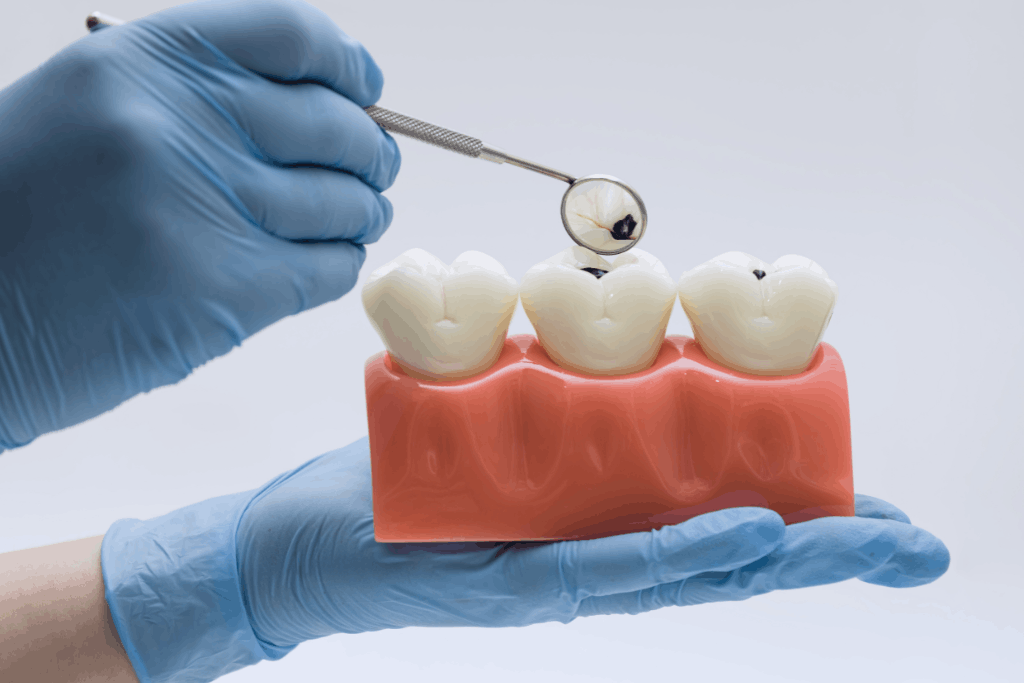
As parents, we want nothing more than to see our children grow up happy and healthy — and that includes having strong, healthy teeth. Yet childhood cavities remain one of the most common chronic diseases affecting children in the United States, with the CDC reporting that more than 40% of children between the ages of 2 and 11 have had dental caries in their primary teeth.
The good news? Cavities are almost entirely preventable. At Manassas Dental Smiles, we work with families every day to build the habits and routines that keep little smiles bright and cavity-free.
Whether your child has just cut their first tooth or is already in school, this guide gives you everything you need to stay ahead of tooth decay — one smart step at a time.
Understanding Cavities in Children: Why They Happen
Before we talk about prevention, it helps to understand what causes cavities in the first place. A cavity — also called dental caries — forms when bacteria in the mouth feed on sugars and produce acids. Over time, those acids eat through the outer layer of the tooth (enamel) and create a hole.
Children are especially vulnerable for a few reasons:
- Baby teeth have thinner enamel than adult teeth, making them more susceptible to acid erosion.
- Kids tend to consume more sugary foods and drinks — juice, snacks, cereals — which feed cavity-causing bacteria.
- Young children often lack the fine motor skills to brush and floss effectively on their own.
- Baby teeth that develop cavities can affect the spacing and health of permanent teeth that come in later.
Understanding this helps us approach prevention in a targeted way. At Manassas Dental Smiles, our team tailors prevention strategies to your child’s age, diet, and risk level — because every child’s mouth is different.
Start Early: Dental Care Begins Before the First Tooth
Many parents assume dental care starts when teeth appear, but oral health begins even earlier. In the days after birth, you can use a clean, damp cloth to gently wipe your baby’s gums after feeding. This helps remove bacteria and sets a routine that prepares your child for brushing later on.
Once the first tooth appears — usually around 6 months — it’s time to start brushing. Use a soft-bristled infant toothbrush with a tiny smear of fluoride toothpaste (about the size of a grain of rice). At this stage, every tooth that erupts needs to be cleaned morning and night.
The American Academy of Pediatric Dentistry (AAPD) recommends that children see a dentist by their first birthday, or within six months of getting their first tooth. We at Manassas Dental Smiles welcome babies and toddlers in a warm, friendly environment designed to make early dental visits a positive experience. Starting these visits early means we can spot any signs of early decay and guide parents on preventive care right from the start.
Build a Brushing and Flossing Routine That Sticks
Consistent brushing and flossing is the single most effective daily habit for preventing cavities in children. Here is how we recommend approaching it at every stage:
Ages 0 to 3: Parent-Led Brushing
At this stage, parents do all the brushing. Use a rice-grain-sized amount of fluoride toothpaste on a soft infant brush. Brush gently for two minutes, twice a day. Avoid letting your baby fall asleep with a bottle of milk or juice, as the sugars pool around the teeth and cause what is known as “baby bottle tooth decay.”
Ages 3 to 6: Guided Brushing
Increase toothpaste to a pea-sized amount. Children at this age love to mimic adults, so brush alongside your child and make it a fun two-minute routine — use a timer or a brushing song. Always follow up yourself to make sure every surface is cleaned properly. Begin flossing as soon as two teeth touch.
Ages 6 and Above: Supervised Independence
Most children are not dexterous enough to brush effectively on their own until around age 8 to 10. Until then, supervise closely and do a quick check after each session. Flossing remains essential — food debris trapped between teeth is a leading cause of cavities in older children.
Watch What They Eat: Diet’s Role in Cavity Prevention
Diet is one of the most powerful levers parents have for protecting their child’s teeth. Sugary and starchy foods feed the bacteria that cause cavities, while certain foods actually help protect enamel. Here is what we advise at Manassas Dental Smiles:
Limit these:
- Sugary drinks: juice, flavoured milk, sports drinks, and sodas. Even 100% fruit juice is high in sugar.
- Sticky and chewy snacks: dried fruit, gummy bears, crackers, and candy that cling to tooth surfaces.
- Frequent snacking: every time a child eats, acid levels in the mouth rise for 20 minutes. Fewer eating occasions mean less overall acid exposure.
Encourage these:
- Water — especially fluoridated tap water — as the primary drink throughout the day.
- Calcium-rich foods like plain yogurt, cheese, and milk that help strengthen enamel.
- Crunchy vegetables like carrots and celery that stimulate saliva, nature’s natural mouth cleanser.
- Sugar-free gum containing xylitol for older children, which has been shown to reduce cavity-causing bacteria.
The Role of Fluoride in Protecting Children’s Teeth
Fluoride is one of the most well-researched and effective tools in cavity prevention. It works by strengthening tooth enamel and making it more resistant to acid attacks. It can even reverse early stages of decay before a cavity fully forms.
Sources of fluoride for children include fluoride toothpaste, fluoridated tap water, and professional fluoride treatments applied at the dentist. At Manassas Dental Smiles, we offer in-office fluoride varnish treatments that take only minutes and provide months of added protection — particularly for children who are at higher risk of decay. We will assess your child’s individual needs and let you know how often these treatments are recommended.
It is worth noting that if your home uses well water or a filter that removes fluoride, your child may not be getting enough through drinking water. Let our team know, and we can factor this into their care plan.
Dental Sealants: An Extra Layer of Defence
Even children who brush and floss regularly can struggle to clean the deep grooves on the chewing surfaces of their back teeth (molars). These grooves are a favourite hiding spot for bacteria and food particles — and a common site for cavities.
Dental sealants are thin, protective coatings applied to the chewing surfaces of the back teeth. The procedure is quick, painless, and highly effective. According to the CDC, sealants can prevent up to 80% of cavities in the back teeth, where 9 in 10 cavities in children occur.
At Manassas Dental Smiles, we typically recommend sealants when a child’s first permanent molars come in, usually around age 6, and again when the second set arrives around age 12. They are one of the smartest, most cost-effective investments you can make in your child’s oral health.
Regular Dental Check-Ups: Your Best Early Warning System
Even the most diligent home care routine cannot replace professional dental care. Cavities often develop in areas that are invisible to the naked eye, and early decay shows no symptoms until it has progressed significantly. Regular dental check-ups allow our team to catch problems before they become painful or expensive.
At every visit, we clean away tartar build-up that brushing cannot remove, assess your child’s bite and development, check for early signs of decay, and provide a professional fluoride treatment when appropriate. We also take the time to talk with both parent and child about any habits — like thumb-sucking or mouth-breathing — that can affect dental health over time.
We recommend check-ups every six months for most children. However, children who are at higher risk for cavities — due to diet, dry mouth, or a history of decay — may benefit from more frequent visits. Our team at Manassas Dental Smiles will always be transparent about what we find and what we recommend, without ever pushing unnecessary treatments.
Common Mistakes Parents Make (and How to Avoid Them)
Even well-meaning parents can fall into habits that unintentionally increase their child’s cavity risk. Here are some of the most common ones we see:
- Sharing utensils or licking pacifiers clean: cavity-causing bacteria are transmitted through saliva. Sharing spoons or cleaning a pacifier with your mouth can pass these bacteria to your baby.
- Giving juice as a regular drink: even natural juice is high in sugar. Reserve it for mealtimes and dilute it with water, or skip it altogether in favour of whole fruit.
- Skipping the dentist until something hurts: by the time a child reports tooth pain, the decay is usually advanced. Routine check-ups are how we catch problems early.
- Assuming baby teeth do not matter: primary teeth hold space for permanent teeth and play a vital role in speech and chewing. Cavities in baby teeth should always be treated.
- Using too much or too little toothpaste: a rice grain for under-3s, a pea-size for 3 and above. Too much fluoride toothpaste swallowed regularly can cause fluorosis in developing teeth.
Making Dental Care Fun for Kids
We know that convincing a toddler to brush their teeth can feel like negotiating a peace treaty. But building positive associations with oral care early pays dividends for life. Here are a few ideas that work:
- Let your child pick their own toothbrush — a favourite character or colour makes brushing feel special.
- Use a two-minute brushing timer or a dedicated app to make the routine feel like a game.
- Create a reward chart for brushing consistently — stickers go a long way with young children.
- Read books or watch child-friendly videos about visiting the dentist to reduce anxiety before appointments.
Our team at Manassas Dental Smiles is experienced in working with children of all ages and temperaments. From the moment your child walks through our door, we make it our mission to ensure they leave with a smile — and without fear. Our friendly environment and gentle approach help children feel comfortable, so dental visits become something they look forward to rather than dread.
When to Contact Your Dentist Between Visits
While six-monthly check-ups are ideal, there are signs that warrant an earlier visit to Manassas Dental Smiles:
- White spots or dark patches on the teeth, which may indicate early decay.
- Sensitivity or pain when eating sweet, hot, or cold foods.
- Visible holes or pits in the teeth.
- Complaints of toothache or swollen gums.
Do not wait for a scheduled appointment if you notice any of these signs. Early intervention is always easier, less invasive, and more affordable than treating advanced decay.
Conclusion: Healthy Habits Start at Home — and at Manassas Dental Smiles
Preventing cavities in children is not about being perfect — it is about being consistent. When you combine a solid home routine with the right professional support, you give your child the best possible foundation for lifelong oral health.
At Manassas Dental Smiles, we are proud to serve as your partner in that journey. From your baby’s first tooth to your teenager’s permanent smile, our experienced and compassionate team is here to guide, support, and celebrate every milestone. We offer preventive care, fluoride treatments, sealants, and a child-friendly environment that makes every visit a positive one.
Ready to give your child the gift of a healthy smile? Book an appointment with us today at Manassas Dental Smiles — because every great smile starts with great care.
FAQs
At what age should my child first see a dentist?
We recommend bringing your child in for their first visit by their first birthday or within six months of their first tooth erupting — whichever comes first. Starting early helps us identify any concerns, establish a preventive routine, and make your child feel comfortable with dental care from a young age.
Do baby teeth really need to be treated for cavities if they are going to fall out anyway?
Yes, absolutely. Baby teeth are not just placeholders — they are essential for chewing, speech development, and holding the correct space for permanent teeth. Untreated cavities in baby teeth can cause pain, infection, and even affect the development of the adult teeth underneath. They should always be taken seriously and treated promptly.
Is fluoride safe for children?
Yes, when used in the correct amounts, fluoride is safe and highly effective. For children under 3, use a rice-grain-sized smear of fluoride toothpaste. For children aged 3 to 6, use a pea-sized amount.
The key is to use the right quantity and ensure young children do not swallow toothpaste. Our team at Manassas Dental Smiles can advise you on the appropriate amount for your child's age and risk level.
What are dental sealants and does my child need them?
Dental sealants are thin protective coatings painted onto the chewing surfaces of the back teeth to shield them from bacteria and food debris. They are particularly effective for children because the deep grooves in molars are hard to clean thoroughly with a toothbrush.
We typically recommend sealants when the first and second permanent molars come in. The procedure is quick, painless, and can prevent up to 80% of cavities in those teeth.
How can I tell if my child has a cavity?
Early cavities often have no symptoms at all, which is why regular check-ups are so important. As decay progresses, you may notice white spots or dark marks on the teeth, sensitivity to sweets or temperature changes, visible holes, or complaints of toothache. If you spot any of these signs between visits, contact Manassas Dental Smiles right away so we can assess and treat the issue promptly.