
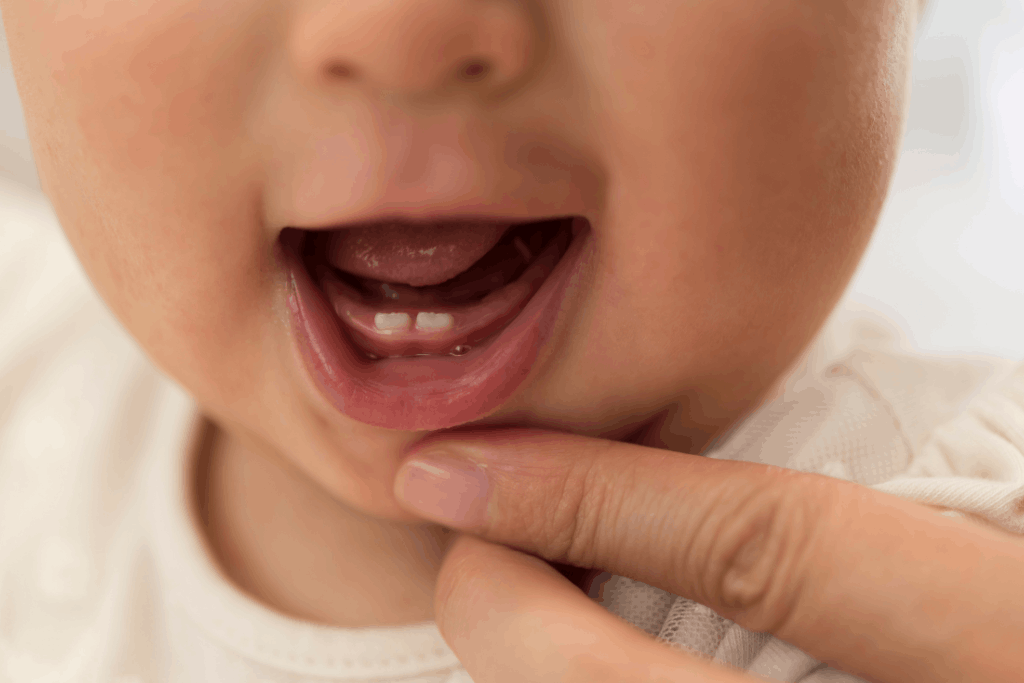
Many parents assume that baby teeth are only temporary and, therefore, not as important as permanent teeth.
While it’s true that primary teeth eventually fall out, they play a crucial role in a child’s overall development. Beyond helping children chew food and maintain proper nutrition, baby teeth significantly influence speech development, facial growth, and self-confidence.
As children learn to communicate, they rely on the coordinated movement of their tongue, lips, jaw, and teeth to produce clear sounds.
Healthy baby teeth provide the support needed for proper pronunciation and language development. When teeth are lost too early because of decay or injury, children may struggle with speech clarity and develop habits that become difficult to correct later.
At Manassas Dental Smiles, we believe that preventive dental care begins with understanding why every stage of your child’s oral development matters. Our team works closely with families to protect healthy smiles while supporting children’s speech, confidence, and overall well-being.
Why Baby Teeth Are More Important Than Many Parents Realize
Baby teeth, also called primary teeth, begin appearing around six months of age and continue erupting until approximately age three. Although these teeth are temporary, they perform several essential functions throughout childhood.
They help children:
- Learn to speak clearly
- Chew food properly
- Develop healthy eating habits
- Maintain space for permanent teeth
- Support facial muscle development
- Build confidence during social interactions
Every baby tooth contributes to proper oral function. Losing them too soon can create challenges that extend beyond dental health.
The Connection Between Baby Teeth and Speech Development
Speech development is a complex process involving the brain, hearing, muscles, and oral structures. Teeth serve as important contact points that help the tongue and lips create specific sounds.
As children begin speaking, they gradually learn how to position their tongue against their teeth to pronounce letters correctly. Missing or damaged teeth can interfere with this process.
Some of the speech sounds that rely heavily on healthy front teeth include:
- F
- V
- S
- Z
- Th
- Sh
- Ch
Without proper tooth support, children may substitute sounds, develop a lisp, or struggle with pronunciation.
This is why pediatric dental care plays an important role in supporting communication skills during early childhood.
How Teeth Help Produce Clear Speech
To understand the importance of baby teeth, it’s helpful to know how speech sounds are formed.
When speaking, the tongue moves into precise positions against the roof of the mouth, lips, and teeth. Each sound requires different levels of contact.
Front Teeth Support Pronunciation
The upper and lower front teeth help guide airflow while the tongue creates sounds.
For example:
- Saying “F” requires the lower lip to gently touch the upper front teeth.
- Pronouncing “Th” requires the tongue to rest lightly between the front teeth.
- “S” and “Z” depend on controlled airflow between the tongue and teeth.
If teeth are missing, these sounds become more difficult to pronounce accurately.
Teeth Help Control Airflow
Speech isn’t just about moving the tongue.
Healthy teeth help direct airflow through the mouth, allowing sounds to remain crisp and understandable.
When gaps appear because of untreated decay or premature tooth loss, air escapes differently, sometimes creating whistling sounds or speech distortions.
Teeth Support Proper Tongue Placement
Children naturally learn tongue placement through repeated practice while speaking.
Missing teeth can encourage the tongue to move into incorrect positions, creating speech habits that may continue even after permanent teeth erupt.
Early dental intervention helps reduce these risks.
What Happens When Baby Teeth Are Lost Too Early?
Premature tooth loss is one of the most common consequences of untreated cavities or dental trauma.
While every child’s situation is unique, early tooth loss may affect speech development in several ways.
Difficulty Pronouncing Certain Sounds
Children may have trouble saying:
- S
- Z
- F
- V
- Th
- Ch
These pronunciation challenges may become noticeable when children begin preschool or elementary school.
Development of a Lisp
A lisp occurs when airflow escapes incorrectly during speech.
Missing front teeth can sometimes contribute to temporary lisps, especially if children adapt their tongue placement to compensate for the gap.
Although some speech changes resolve naturally, others may require speech therapy if incorrect habits become established.
Reduced Confidence
Children quickly become aware when others have difficulty understanding them.
Speech difficulties may affect:
- Classroom participation
- Reading aloud
- Making friends
- Self-confidence
- Social development
Helping children maintain healthy baby teeth supports not only communication but also emotional well-being.
Tooth Decay Can Affect More Than Oral Health
Tooth decay remains one of the most common chronic childhood conditions.
Unfortunately, untreated cavities do more than cause pain.
Children experiencing dental discomfort may:
- Speak less often
- Avoid practicing new words
- Have trouble concentrating in school
- Develop eating difficulties
- Experience interrupted sleep
These factors may indirectly influence language development during critical learning years.
At Manassas Dental Smiles, we emphasize preventive care because healthy teeth contribute to healthy development in multiple ways
Baby Teeth Guide Proper Jaw and Facial Development
Speech depends on much more than teeth alone.
Healthy baby teeth help guide jaw growth and maintain proper spacing for permanent teeth.
When baby teeth are lost prematurely:
- Neighboring teeth may shift.
- Bite alignment can change.
- Permanent teeth may erupt improperly.
- Tongue positioning becomes more challenging.
These structural changes may influence both speech and future orthodontic needs.
Protecting primary teeth helps preserve the natural development of the entire oral cavity.
The Role of Regular Dental Visits
Routine dental checkups allow dentists to monitor oral development long before problems become serious.
Early preventive care offers several important benefits.
Detecting Problems Early
Regular examinations help identify:
- Early cavities
- Tooth wear
- Developmental concerns
- Bite problems
- Oral habits affecting speech
Early treatment is often simpler, less invasive, and more comfortable for children.
Professional Cleanings Protect Healthy Teeth
Even children with excellent brushing habits benefit from professional cleanings.
Dental hygienists remove plaque buildup that brushing alone may miss, reducing the risk of cavities that could eventually affect speech development.
Guidance for Parents
Every child develops differently.
Our team at Manassas Dental Smiles takes the time to educate parents about brushing techniques, nutrition, fluoride use, and developmental milestones so families feel confident supporting their child’s oral health at home.
Thumb Sucking, Pacifiers, and Speech Development
Many young children find comfort in thumb sucking or using a pacifier, especially during infancy. While these habits are generally normal in the early years, prolonged use beyond the recommended age can affect oral development and speech.
Extended thumb sucking or pacifier use may contribute to:
- Changes in the alignment of the front teeth
- Altered jaw development
- Difficulty positioning the tongue correctly
- Bite issues, such as an open bite
- Speech challenges involving sounds like S, Z, and Th
If your child continues these habits after age three or four, it’s a good idea to discuss them with your dentist. At Manassas Dental Smiles, we provide personalized guidance to help families break these habits gently while supporting healthy oral development.
Signs Your Child May Be Experiencing Speech Difficulties Related to Dental Health
Every child develops speech at their own pace, but certain signs may indicate that oral health is contributing to communication challenges.
Watch for symptoms such as:
- Difficulty pronouncing specific letters or sounds
- Persistent lisp beyond the expected developmental stage
- Trouble being understood by people outside the family
- Missing teeth due to decay or injury
- Complaints of tooth pain while talking or eating
- Avoiding speaking in social situations
While these signs do not always indicate a dental problem, they deserve professional evaluation. A dentist and, when necessary, a speech-language pathologist can work together to determine the underlying cause and recommend the best course of action.
Tips for Protecting Baby Teeth and Supporting Healthy Speech
Healthy speech starts with healthy smiles. Parents can help create a strong foundation by following a few simple habits.
Establish Good Oral Hygiene Early
Clean your baby’s gums before teeth erupt and begin brushing with a soft toothbrush as soon as the first tooth appears. As children grow, encourage brushing twice daily with fluoride toothpaste appropriate for their age and supervise brushing until they develop good technique.
Schedule Regular Dental Checkups
Routine dental visits allow problems to be identified before they become serious. Early detection of cavities or developmental concerns helps protect both oral health and speech development.
At Manassas Dental Smiles, we recommend establishing regular preventive visits early in childhood so we can monitor your child’s growth and provide guidance every step of the way.
Encourage a Tooth-Friendly Diet
Nutrition plays an important role in maintaining healthy teeth.
Limit:
- Sugary drinks
- Sticky candies
- Frequent snacking on sugary foods
Instead, encourage foods rich in calcium, phosphorus, vitamin D, and other nutrients that strengthen developing teeth and bones.
Protect Teeth During Play
Falls and sports injuries can damage baby teeth, potentially affecting speech and oral development. Consider age-appropriate protective gear, including mouthguards for children participating in organized sports.
Address Dental Problems Promptly
Never assume that a cavity in a baby tooth can wait simply because the tooth will eventually fall out. Untreated decay may lead to pain, infection, premature tooth loss, and complications that affect speech and overall health.
When Is Speech Therapy Needed?
Not every speech delay is related to dental health, and not every child with missing teeth will require speech therapy.
However, speech therapy may be recommended when:
- Speech remains unclear beyond expected developmental milestones.
- Incorrect speech patterns continue after dental issues have been treated.
- Tongue placement habits become established.
- Multiple factors contribute to communication difficulties.
A collaborative approach involving parents, dentists, pediatricians, and speech-language pathologists often delivers the best outcomes. Addressing dental concerns early can make speech therapy more effective and, in some cases, prevent the need for extensive intervention.
Why Families Choose Manassas Dental Smiles
At Manassas Dental Smiles, we understand that your child’s oral health influences far more than just their smile. Healthy baby teeth support eating, speaking, learning, and building confidence during critical developmental years.
Our team is committed to providing compassionate, family-centered dental care in a welcoming environment where children feel comfortable and parents feel informed.
When you visit us, you can expect:
- Comprehensive preventive dental care
- Gentle examinations designed for children
- Early cavity detection and treatment
- Personalized oral hygiene education
- Guidance on oral habits and developmental milestones
- A caring team dedicated to helping every child maintain a healthy, confident smile
We believe that preventive care today helps lay the foundation for healthier smiles and clearer communication tomorrow.
Conclusion
Baby teeth may be temporary, but their impact on a child’s development is long-lasting. They play a vital role in forming speech sounds, guiding jaw growth, maintaining space for permanent teeth, and helping children communicate with confidence.
Protecting primary teeth through consistent oral hygiene, healthy nutrition, regular dental visits, and early treatment of dental issues can make a meaningful difference in your child’s speech development and overall well-being.
At Manassas Dental Smiles, we’re proud to partner with families throughout every stage of childhood. Whether your child is getting their first tooth or preparing for permanent teeth, our team is here to provide expert, compassionate care that supports healthy smiles and lifelong confidence.If it’s time for your child’s dental checkup, contact Manassas Dental Smiles today. Together, we can help ensure your child has the healthy smile they need to speak, learn, and thrive.
FAQs
At what age should my child first see a dentist?
We recommend bringing your child in for their first visit by their first birthday or within six months of their first tooth erupting — whichever comes first. Starting early helps us identify any concerns, establish a preventive routine, and make your child feel comfortable with dental care from a young age.
Do baby teeth really need to be treated for cavities if they are going to fall out anyway?
Yes, absolutely. Baby teeth are not just placeholders — they are essential for chewing, speech development, and holding the correct space for permanent teeth. Untreated cavities in baby teeth can cause pain, infection, and even affect the development of the adult teeth underneath. They should always be taken seriously and treated promptly.
Is fluoride safe for children?
Yes, when used in the correct amounts, fluoride is safe and highly effective. For children under 3, use a rice-grain-sized smear of fluoride toothpaste. For children aged 3 to 6, use a pea-sized amount.
The key is to use the right quantity and ensure young children do not swallow toothpaste. Our team at Manassas Dental Smiles can advise you on the appropriate amount for your child's age and risk level.
What are dental sealants and does my child need them?
Dental sealants are thin protective coatings painted onto the chewing surfaces of the back teeth to shield them from bacteria and food debris. They are particularly effective for children because the deep grooves in molars are hard to clean thoroughly with a toothbrush.
We typically recommend sealants when the first and second permanent molars come in. The procedure is quick, painless, and can prevent up to 80% of cavities in those teeth.
How can I tell if my child has a cavity?
Early cavities often have no symptoms at all, which is why regular check-ups are so important. As decay progresses, you may notice white spots or dark marks on the teeth, sensitivity to sweets or temperature changes, visible holes, or complaints of toothache. If you spot any of these signs between visits, contact Manassas Dental Smiles right away so we can assess and treat the issue promptly.