
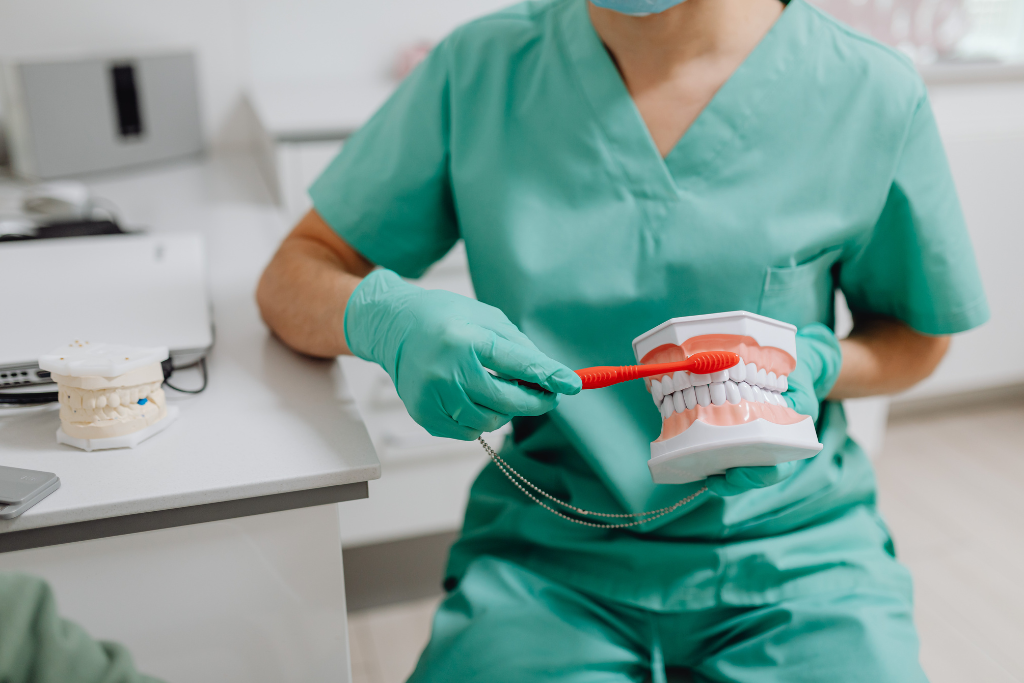
Brushing your teeth feels like second nature, something most of us have done without much thought since childhood. Yet at Manassas Dental Smiles, we regularly see patients who brush twice a day and still develop cavities, gum irritation, or sensitivity, simply because a small technique issue has gone unnoticed for years. The good news is that most brushing mistakes are easy to fix once you know what to look for.
Below, we walk through the most common brushing mistakes we see in our Manassas, VA practice and the simple adjustments that can make a real difference in your oral health.
Mistake 1: Brushing Too Hard
Many people believe that scrubbing harder means cleaning better, but the opposite is true. Aggressive brushing wears down tooth enamel over time and can push the gumline back, exposing sensitive root surfaces. It also irritates healthy gum tissue rather than protecting it.
The fix: use a soft bristled toothbrush and hold it at roughly a 45 degree angle to the gumline. Move the brush in small, gentle circular motions rather than long, forceful strokes, and let the bristles do the work instead of your arm.
Mistake 2: Not Brushing Long Enough
Most people significantly overestimate how long they brush. Studies on brushing habits consistently show that many adults spend well under a minute, when dental professionals recommend a full two minutes to properly clean every surface.
The fix: use a timer, or choose an electric toothbrush with a built in two minute timer, and divide your mouth into four sections, spending about thirty seconds on each. This ensures every quadrant gets equal attention rather than rushing through the front teeth and neglecting the back.
Mistake 3: Using the Wrong Toothbrush or Holding On to It Too Long
A toothbrush with hard bristles or one that is worn out and frayed cannot clean effectively and can actually damage your gums. Bristles that splay outward have lost their shape and no longer reach into the small grooves of your teeth.
The fix: choose a soft bristled brush, whether manual or electric, and replace it every three to four months, or sooner if the bristles look frayed. If you are unsure whether a manual or electric brush suits you better, our team at Manassas Dental Smiles is happy to make a recommendation based on your specific needs during your next visit.
Mistake 4: Skipping Hard to Reach Areas
It is easy to focus on the teeth you see in the mirror and rush past the back molars, the inner surfaces facing the tongue, and the gumline itself. These overlooked areas are often where plaque and decay develop first, since they collect debris but rarely get the same attention as the front teeth.
The fix: brush in a consistent pattern every time, covering the outer surfaces, inner surfaces, and chewing surfaces of every tooth, including the very back molars. Use the toe of the brush to reach behind the upper and lower front teeth, and do not forget to gently brush your tongue, where odor causing bacteria tend to gather.
Mistake 5: Brushing Immediately After Acidic Foods or Drinks
Citrus fruits, soda, and other acidic foods and drinks temporarily soften tooth enamel. Brushing right away can actually brush away some of that softened enamel before it has a chance to re-harden.
The fix: wait about thirty minutes after consuming acidic foods or drinks before brushing. In the meantime, rinsing with plain water can help neutralize acid and clear away residue.
Mistake 6: Rinsing With Water Right After Brushing
Many people rinse thoroughly with water immediately after brushing out of habit, but this washes away the concentrated fluoride left behind by your toothpaste before it has time to strengthen your enamel.
The fix: simply spit out excess toothpaste and avoid rinsing with water for a few minutes afterward, allowing the fluoride to keep working on your teeth.
Mistake 7: Skipping the Nighttime Brush
Skipping a morning brush is common when mornings get hectic, but skipping the nighttime brush is more damaging. Saliva production slows down while you sleep, which means bacteria and plaque have far more time to work on your teeth undisturbed overnight.
The fix: make nighttime brushing non negotiable, even on your most exhausted nights. Pairing it with flossing beforehand gives your teeth the best possible defense while you sleep.
Special Considerations for Kids and Teens
Brushing mistakes often start young, which is why building the right habits early matters so much. Children need supervision with brushing well into elementary school, since the dexterity required to reach every surface effectively usually is not fully developed until around age seven or eight. Teens with braces face a different challenge, as brackets and wires create extra surfaces where plaque can hide, which makes a careful, slightly slower brushing routine even more important during orthodontic treatment. At Manassas Dental Smiles, we tailor our guidance to each stage of life, whether that means demonstrating a fun, effective technique for a five year old or showing a teenager how to angle a brush around braces.
The Link Between Brushing Technique and Long-Term Oral Health
It is easy to think of brushing mistakes as minor, but small technique issues compound significantly over years and decades. Enamel that wears down from overly aggressive brushing does not grow back, and gum recession caused by years of hard scrubbing can eventually expose tooth roots to sensitivity and decay. On the other end of the spectrum, consistently rushed or incomplete brushing allows plaque to harden into tartar in the same missed spots year after year, which raises the risk of cavities and gum disease in those exact areas. The good news is that correcting technique at any age, even after decades of a less effective routine, still meaningfully reduces risk going forward.
How Manassas Dental Smiles Helps Patients Build Better Habits
Every patient's mouth is a little different, and the small technique adjustments that make the biggest difference for you may not be obvious without a professional set of eyes. During routine checkups at Manassas Dental Smiles, our team looks closely at wear patterns, gum health, and plaque buildup to spot brushing habits that could use a tweak, then walks you through practical fixes that fit your daily routine. We work with patients of every age, from children just learning to brush on their own to adults looking to fine tune decades old habits.
If it has been more than six months since your last cleaning, or if you have noticed sensitivity, bleeding gums, or rough spots on your teeth, we would love to take a look. Call Manassas Dental Smiles at (571) 350-9292 or book your appointment online, and let our friendly team help you brush with confidence.
Small, consistent improvements to your brushing routine add up to real protection for your smile over time. Whether you have been brushing the same way for twenty years or you are just building the habit with your own children, it is never too late to fine tune your technique. Our team is always glad to demonstrate proper brushing in person during a visit, answer questions about the products lining store shelves, and help you feel confident that your daily routine is actually doing its job between checkups.
Frequently Asked Questions
How hard should I press when brushing my teeth?
Use light, gentle pressure with a soft bristled brush. If your bristles are splaying outward after a short time, you are likely brushing too hard.
How often should I replace my toothbrush?
Replace your toothbrush or electric brush head every three to four months, or sooner if the bristles look frayed or worn.
Is an electric toothbrush better than a manual one?
Both can be effective when used correctly. Electric toothbrushes often make it easier to maintain consistent pressure and timing thanks to built in sensors and timers, which is helpful for many patients.
Should I brush before or after breakfast?
Brushing before breakfast protects your enamel from acidic foods, while brushing after breakfast removes food particles right away. If you eat acidic foods, wait about thirty minutes after eating before brushing.
Why do my gums bleed when I brush?
Occasional light bleeding can happen if you are brushing too hard or have recently started a new routine. Persistent bleeding is often a sign of gum inflammation or early gum disease and should be checked by our team at Manassas Dental Smiles.