
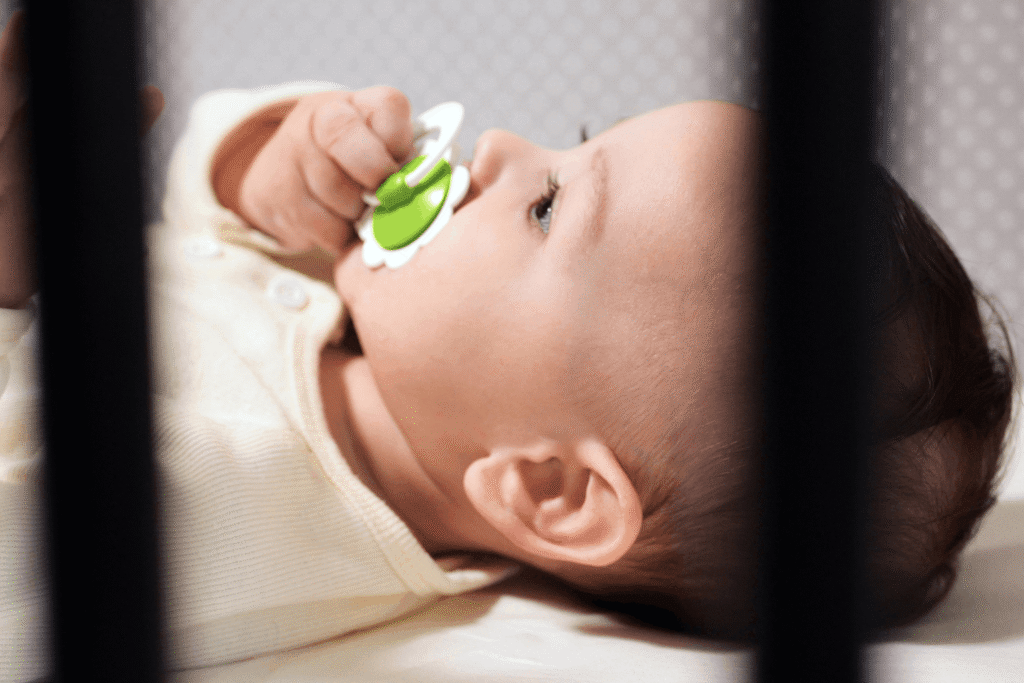
There is something undeniably sweet about a baby contentedly sucking their thumb or drifting off to sleep with a pacifier.
These habits are among the most natural in the world — soothing, self-regulating, and deeply comforting for infants and toddlers. In fact, many babies begin sucking their thumbs even before they are born.
But what happens when the habit lingers beyond toddlerhood? When does a harmless comfort behavior become a dental concern? And how can parents help their children move on — without turning it into a battle of wills?
At Manassas Dental Smiles, we understand that parenting questions about oral habits can feel overwhelming.
This comprehensive guide gives you everything you need to know — the facts, the warning signs, and the expert strategies — so you can make confident decisions about your child’s smile.
Why Babies Suck Their Thumbs and Use Pacifiers
Sucking is one of the first reflexes a baby develops. It begins in the womb and serves as a fundamental survival mechanism — allowing newborns to feed from birth. Beyond nutrition, sucking also provides deep neurological comfort.
It activates the parasympathetic nervous system, slowing the heart rate and reducing stress hormones, which is why babies find it so calming.
Both thumb sucking and pacifier use are considered non-nutritive sucking habits — meaning the child gains comfort rather than food from the action.
These habits are completely normal and developmentally appropriate in infants and young toddlers. Most children naturally outgrow them between the ages of 2 and 4.
The concern arises when the habit persists beyond this developmental window, especially once permanent teeth begin to emerge — typically around age 6.
Prolonged sucking habits can exert pressure on the growing jaw and teeth, potentially causing changes to the bite and the shape of the palate.
Pacifier vs. Thumb Sucking: Is One Safer Than the Other?
Parents often wonder whether the pacifier or the thumb is the lesser evil. The honest answer is: both are similar in their dental effects, but pacifiers do offer one important practical advantage — they can be taken away.
Pacifiers
- Parents control when and how long it is used.
- Easier to wean from — you can gradually reduce use or introduce a weaning strategy.
- Pacifier use is associated with a reduced risk of SIDS (Sudden Infant Death Syndrome) when used during sleep.
- Orthodontic pacifiers (with a flatter, more symmetrical nipple) may exert less pressure on developing teeth.
- Pacifier habits are generally easier to break because the child depends on the parent providing it.
Thumb Sucking
- Always available — the child does not need a parent to provide it.
- Can be more difficult to break because the child self-regulates completely.
- May exert more localized and intense pressure on the front teeth and palate.
- Harder to monitor, as children often suck their thumbs during sleep without parents noticing.
The key takeaway: both habits are fine in infancy and early toddlerhood, but if either persists beyond age 3-4, it is worth monitoring closely — and discussing with your child’s dentist at Manassas Dental Smiles.
When Should Parents Start to Worry?
Not every thumb-sucking or pacifier habit requires intervention. Here is a helpful age-by-age breakdown of when concern is appropriate:
Age | What’s Normal / What to Watch |
0 – 2 years | Completely normal. No dental concern. Sucking is a healthy, self-soothing reflex. |
2 – 4 years | Still generally normal. Most children naturally stop. No major dental changes expected. Monitor without pressure. |
4 – 6 years | Begin gentle weaning if the habit is frequent or vigorous. Dental changes may be starting. Discuss with your dentist. |
6+ years | Persistent habit requires professional attention. Permanent teeth emerging; bite and jaw development at risk. Orthodontic evaluation may be recommended. |
Beyond age, intensity matters. A child who sucks their thumb passively — allowing it to rest in the mouth — typically causes less dental change than a child who sucks aggressively with strong muscular action. Frequency also matters: a child who only sucks their thumb when falling asleep is at much lower risk than one who sucks throughout the day.
Dental Problems Associated with Prolonged Sucking Habits
When sucking habits persist past the critical developmental window, they can lead to several dental and skeletal changes:
- Open Bite: The upper and lower front teeth do not meet when the mouth is closed, leaving a visible gap. This can affect speech, chewing, and appearance.
- Overjet (Buck Teeth): The upper front teeth protrude forward due to outward pressure from the thumb or pacifier nipple.
- Narrowing of the Upper Palate: Repeated pressure from the digit or pacifier can narrow the roof of the mouth, affecting how teeth fit together.
- Crossbite: When the upper teeth sit inside the lower teeth on one or both sides — often related to palatal narrowing.
- Speech Difficulties: Changes to the bite or palate can contribute to a lisp or difficulty pronouncing certain sounds, particularly s and z.
The good news: many of these changes are reversible if the habit is stopped before the permanent teeth fully erupt. Early intervention is always better. Our team at Manassas Dental Smiles (manassasdentalsmiles.com) monitors these developmental changes at every routine checkup.
How to Help Your Child Stop: Gentle, Effective Strategies
The most important principle in weaning a child from sucking habits is this: positivity and patience work far better than shame or punishment. Children who feel pressured or criticized may actually increase their habit as a stress response. Here are strategies that work:
For Pacifier Weaning
- The Cold Turkey Method (ages 2-3): Simply remove all pacifiers at once. This works best in toddlers who may cry for a few nights but adjust quickly.
- The Gradual Method: Limit pacifier use to sleep times only, then nap times only, then remove entirely over several weeks.
- The Pacifier Fairy: A creative story where the Pacifier Fairy collects pacifiers for new babies in exchange for a small gift. Many children respond beautifully to this approach.
- Snip the Tip: Carefully trim a small amount from the pacifier tip each day. This reduces the suction sensation, making it less satisfying until the child loses interest.
For Thumb Sucking
- Identify Triggers: Notice when your child sucks their thumb most — boredom, anxiety, tiredness? Addressing the trigger helps more than addressing the habit itself.
- Positive Reinforcement: Praise and reward your child when they choose not to suck their thumb during typical trigger times. A sticker chart can be very effective.
- Gentle Reminders: Instead of scolding, use a non-judgmental reminder. ‘Remember, we’re working on keeping our thumb out. You’re doing great!’
- Thumb Guards and Gloves: Physical barriers — a breathable glove or a dental thumb guard — can break the habit cycle, especially during sleep.
- Bitter-Tasting Nail Solutions: Safe, child-friendly products applied to the thumbnail can act as a reminder without causing distress.
- Professional Habit Appliances: In persistent cases, a dentist may recommend a palatal crib — a small, fixed appliance placed behind the front teeth. At Manassas Dental Smiles, we discuss these options compassionately with families.
The Role of Your Dentist in Managing Oral Habits
Your child’s dentist is one of your most important allies in managing sucking habits. At Manassas Dental Smiles, we begin seeing children as early as their first birthday — precisely so we can monitor these developmental patterns from the start.
During routine visits, our team assesses the bite, palate development, and tooth alignment — and we flag any early changes before they become significant problems.
We also partner with parents to create personalized habit-breaking plans that are gentle, age-appropriate, and effective.
If dental changes are already present, we may refer to an orthodontist, or in some cases, recommend a habit appliance. The earlier we intervene, the simpler and more successful the outcome tends to be.
Schedule Your Child's Checkup Today!
Is your child still sucking their thumb or using a pacifier past age 3? Don't wait. The caring team at Manassas Dental Smiles is here to help. Visit manassasdentalsmiles.com to book your child's appointment today.
What If My Child Has Already Developed Bite Problems?
If your child’s sucking habit has already caused changes to their bite or jaw, do not panic — and do not feel guilty. These changes are common, and many cases are very treatable, especially when caught early.
Once the habit stops, the teeth and jaw often self-correct — particularly in children under 7. The younger the child when the habit ends, the greater the potential for natural correction.
For changes that do not self-correct, orthodontic treatment such as braces, clear aligners, or palate expanders is highly effective.
Our team at Manassas Dental Smiles collaborates closely with trusted orthodontic partners to ensure a seamless pathway from habit management to a healthy, beautiful smile.
Tips for Parents: Navigating the Emotional Side
Breaking a comforting habit is not just a physical process — it is an emotional one. Here is how to support your child through it with empathy:
- Never shame or mock your child about their habit. This can create anxiety and actually deepen the habit.
- Involve your child in the process. Children who feel ownership over the goal are more motivated. Let them choose a reward for reaching milestones.
- Celebrate small wins. Breaking a deeply ingrained habit takes time. Acknowledge every step forward, no matter how small.
- Talk to your child’s dentist openly. Our team at Manassas Dental Smiles is trained to speak directly — and kindly — to children about their habits in a way that feels empowering, not shaming.
- Be patient with setbacks. Stress, illness, or big life changes can cause temporary regression. This is normal and does not mean failure.
Frequently Asked Questions
At what age should my child stop using a pacifier?
Most pediatric dental organizations, including the American Academy of Pediatric Dentistry (AAPD), recommend weaning children from pacifiers by age 3 at the latest.
The earlier the better — children who stop before age 2 are very unlikely to experience lasting dental changes. If your child is still using a pacifier at age 3 or beyond, the team at Manassas Dental Smiles can help you develop a gentle weaning plan.
Will my child's teeth go back to normal after they stop thumb sucking?
In many cases, yes — especially if the habit ends before the permanent teeth fully emerge (usually around age 6-7). The younger the child when the habit stops, the greater the chance of natural self-correction.
For changes that persist, orthodontic treatment is effective and widely available. Early dental monitoring at Manassas Dental Smiles gives your child the best shot at natural correction.
Is thumb sucking more damaging than pacifier use?
Both habits can cause similar dental changes if they persist beyond the toddler years. However, thumb sucking can be harder to break because the child has constant access to it.
Pacifiers, by contrast, can be physically removed and are easier to wean from. Dentists at Manassas Dental Smiles often note that the intensity and frequency of the habit matters more than the type.
Should I be worried if my child sucks their thumb only at night?
Nighttime-only sucking is generally lower risk than daytime sucking, but it can still cause dental changes over time — especially since children cannot be reminded during sleep.
A thumb guard or glove worn at night can be effective. If nighttime sucking persists past age 4-5, discuss it with your dentist at Manassas Dental Smiles.
What is a palatal crib, and does my child need one?
A palatal crib is a small fixed dental appliance placed behind the upper front teeth. It does not cause pain, but it eliminates the satisfying sensation of thumb sucking — making the habit far less appealing.
It is typically recommended for children 6 and older with persistent habits that have not responded to behavioral strategies.
Our dentists at Manassas Dental Smiles will only recommend this after a thorough evaluation and conversation with you and your child.
Final Thoughts: Your Child's Smile Is in Good Hands
Thumb sucking and pacifier use are part of the natural journey of early childhood — and in the right developmental window, they are nothing to worry about at all. The key is knowing when to watch, when to act, and who to turn to for trusted guidance.
At Manassas Dental Smiles, we believe that every child deserves a healthy, confident smile — and every parent deserves honest, compassionate dental guidance without judgment.
Whether you are wondering if your toddler’s pacifier habit is normal, or you are concerned about bite changes in your school-aged child, our team is here for you every step of the way.
Visit us at manassasdentalsmiles.com to learn more about our pediatric dental services, or call us to schedule your child’s appointment today. Because when it comes to your child’s smile, early care is the best care.