
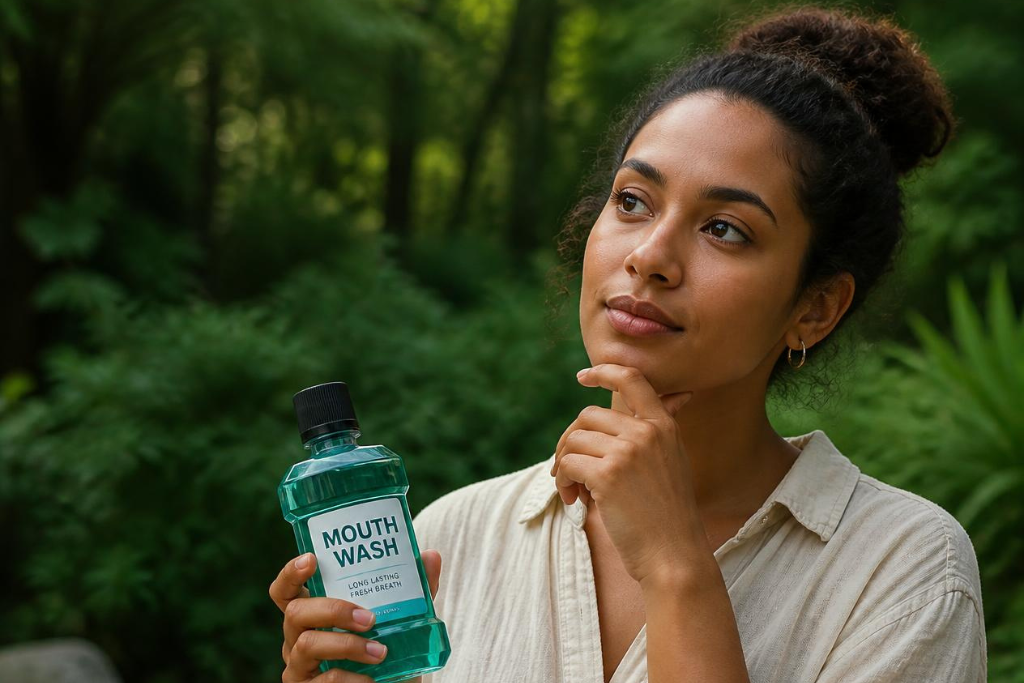
Walk down any pharmacy aisle in Manassas and you will find dozens of mouthwash bottles promising fresher breath, whiter teeth, and healthier gums. With so many claims competing for attention, it is no surprise that patients regularly ask our team at Manassas Dental Smiles whether mouthwash is actually necessary or just an extra step that does not add much value. The honest answer is that it depends on the type of mouthwash and what your mouth needs, and separating the myths from the facts can help you make a smarter choice.
In this article, we break down what mouthwash really does, bust some of the most common myths surrounding it, and explain who benefits most from adding it to their daily routine.
What Mouthwash Actually Does
Mouthwashes generally fall into two categories. Cosmetic mouthwashes freshen breath and leave a pleasant taste, but they do not treat any underlying dental issue. Therapeutic mouthwashes contain active ingredients, such as fluoride, chlorhexidine, or essential oils, that are designed to reduce plaque, fight gum disease, or strengthen enamel. Only therapeutic products carrying the ADA Seal of Acceptance have been independently reviewed and shown to deliver the benefits listed on the label.
Understanding this distinction is the first step toward using mouthwash effectively, since a cosmetic rinse and a therapeutic rinse serve very different purposes.
Myth 1: Mouthwash Can Replace Brushing and Flossing
This is one of the most persistent myths we hear at Manassas Dental Smiles. Mouthwash can reach areas that a toothbrush might miss and can reduce bacteria in the mouth, but it does not physically remove plaque stuck to the tooth surface or between teeth the way brushing and flossing do. Think of mouthwash as a helpful supplement, never a substitute, for your twice daily brushing and once daily flossing.
Myth 2: A Strong Burning Sensation Means It Is Working
Many alcohol based mouthwashes create an intense tingling or burning feeling, and people often associate that sensation with effectiveness. In reality, the burning comes from the alcohol content irritating the soft tissue in your mouth, not from extra plaque removal. Alcohol free formulas can be just as effective at fighting bacteria while being far gentler, particularly for people with sensitive gums or dry mouth.
Myth 3: All Mouthwashes Work the Same Way
Mouthwash formulas vary widely. A fluoride rinse strengthens enamel and helps prevent cavities. An antimicrobial rinse targets the bacteria responsible for plaque and gum disease. A cosmetic rinse simply masks odor for a short period. Choosing the right one depends on your specific oral health goals, which is exactly the kind of guidance our team provides during routine visits.
Myth 4: Mouthwash Cures Bad Breath for Good
Mouthwash can mask bad breath temporarily, but if the odor is caused by gum disease, tooth decay, dry mouth, or a coated tongue, the smell will return once the rinse wears off. Lasting fresh breath depends on addressing the root cause, whether that means improving your brushing and flossing habits, treating gum disease, or scheduling a cleaning to remove built up plaque and tartar.
Myth 5: You Do Not Need Mouthwash If You Already Brush and Floss Well
For many people with healthy gums and no history of cavities, a great brushing and flossing routine may be enough, and that is completely fine. However, mouthwash still offers real value for certain groups, which we cover in the next section. The right answer really does depend on your individual oral health needs rather than a blanket rule.
Who Benefits Most From Using Mouthwash
Mouthwash tends to make the biggest difference for people who fall into one or more of these groups:
- Patients who are prone to cavities and benefit from an extra fluoride boost between brushings.
- Patients managing gingivitis or early gum disease, who may be prescribed an antimicrobial rinse.
- People experiencing dry mouth, whether from medication, age, or a medical condition, since saliva naturally helps wash away bacteria.
- Patients recovering from oral surgery who need a gentle, prescribed rinse to keep the area clean while it heals.
- Orthodontic patients with braces, who often struggle to remove all plaque with brushing and flossing alone.
How to Choose the Right Mouthwash for You
Start by identifying your main concern. If cavity prevention is the priority, look for a fluoride rinse with the ADA seal. If gum health is the focus, ask our team whether an antimicrobial or antiseptic rinse would help. If you experience dry mouth, choose an alcohol free formula designed to soothe rather than dry out the tissue further. For children, only use a mouthwash approved for their age group, since young children can accidentally swallow rinses containing fluoride or alcohol.
How to Use Mouthwash the Right Way
To get the most benefit from any therapeutic rinse, swish for the full amount of time listed on the label, typically thirty seconds to one minute, and avoid rinsing with water immediately afterward so the active ingredients stay on your teeth and gums longer. Most dentists also recommend using mouthwash at a separate time from brushing, such as after lunch, rather than immediately after brushing with fluoride toothpaste, so the toothpaste is not washed away too quickly.
Antiseptic vs. Antibacterial: What Is the Difference?
You may notice mouthwash labels using the terms antiseptic and antibacterial almost interchangeably, but they are not quite the same. Antiseptic rinses, often containing essential oils or cetylpyridinium chloride, reduce the overall bacterial count in the mouth and are widely available over the counter. Antibacterial rinses, such as those containing chlorhexidine, are typically prescription strength and target bacteria more aggressively, which makes them useful for treating active gum disease or after certain dental procedures, but they are generally meant for short term use rather than everyday, indefinite use. This is another reason a quick conversation with our team before choosing a therapeutic rinse is worthwhile, since the strongest option is not always the right one for daily use.
Getting Personalized Advice at Manassas Dental Smiles
Every mouth is different, and the best mouthwash for your neighbor may not be the best choice for you. At Manassas Dental Smiles, our team takes the time during your checkup to look at your gum health, cavity risk, and any specific concerns before recommending products that actually fit your needs, rather than pointing you toward whatever is trending on social media. We believe informed patients make better decisions about their oral care, and that starts with clear, honest guidance.
If you have questions about which mouthwash, if any, belongs in your routine, bring them to your next visit. Call Manassas Dental Smiles at (571) 350-9292 or book online, and let our team help you build an oral care routine that is right for your smile.
Frequently Asked Questions
Do I really need mouthwash if I brush and floss well?
Not necessarily. If your gums are healthy and you have no history of cavities, thorough brushing and flossing may be enough. Mouthwash becomes more valuable if you have specific concerns like gum disease, dry mouth, or a high cavity risk.
Is alcohol based mouthwash bad for you?
Alcohol based mouthwash is generally safe for adults in moderation, but it can dry out and irritate the mouth, which is uncomfortable for people with sensitive gums or dry mouth. Alcohol free options are just as effective for most purposes and tend to feel gentler.
Can children use mouthwash?
Children can use mouthwash once they are old enough to reliably spit rather than swallow, usually around age six, and only with a product specifically labeled as safe for their age group.
How long should I swish mouthwash to get the full benefit?
Most therapeutic mouthwashes need thirty seconds to a full minute of swishing to work effectively. Check the product label, since times can vary slightly by formula.
Can mouthwash whiten my teeth?
Some cosmetic mouthwashes are marketed for whitening, but their effect is generally mild compared to professional whitening treatments. Ask our team at Manassas Dental Smiles about safe, effective whitening options if that is your goal.